42mm Split Jockey Wheel Clamp, 3.5 mm Thickness | K-7
Thinkness: 3.5MM
42 mm Split Jockey Wheel Clamp with 3.5 mm Published Thickness
K-7 is specified for a 42 mm jockey-wheel or prop-stand tube class with a published 3.5 mm thickness.
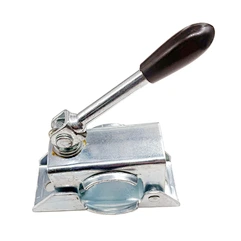
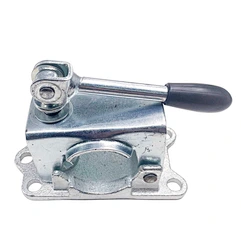
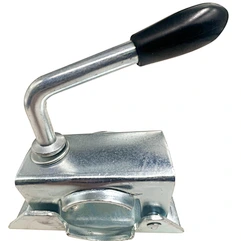
The exact product images verify a pressed/formed split-clamp body, circular tube seat, bent manual lever with black grip, threaded compression mechanism and trailer-side mounting base. No cast-base architecture is visible.

K-7 Is Visually a Pressed / Formed Split Clamp
Current 42 mm trailer hardware is sold in both pressed/split and cast-clamp formats. K-7's exact image aligns with the pressed/split architecture rather than a cast body.
Material and surface treatment were not supplied. The page therefore does not add “steel”, “zinc plated” or “galvanized” to K-7 even though those descriptions are common on current market products.
42 mm Is the Core Purchasing Dimension for K-7
The supplied “Suitable for: 42MM” matches current trailer-parts convention, where jockey-wheel clamps are classified by the outside diameter of the supported round tube or jockey leg.
Compatibility should still be checked against the actual tube profile, especially where ribs, sleeves, coatings, weld seams or local deformation are present.

The Thickness Specification Is Preserved without Assigning It to Every Component
K-7 is supplied with Thickness: 3.5MM. No dimensioned drawing identifies the exact reference section, so the page keeps 3.5 mm at product-specification level.
The value is not automatically applied to the handle, pin, threaded hardware, washers or every formed wall.
A Bent Hand Lever Controls the Threaded Clamp Pressure
The exact images show a bent metal lever with a black operator grip. The lever acts through threaded hardware to secure the 42 mm tube at the selected vertical position.
The current data does not specify whether the lever is formally classified as folding, indexing or fixed-position. Handle length, thread size/pitch, tightening torque and clamp-force target are also not supplied.


The Base Must Be Fastened to a Suitable Drawbar or Chassis Bracket
K-7's formed base provides the interface between the clamp and trailer structure. The clamp, bolts and trailer member must work together to resist jockey-wheel reactions.
Mounting-hole spacing, hole diameter, fastener size/grade and required backing structure are not supplied and are not copied from 42 mm market examples.
K-7 Creates a Clean 42 mm Size Tier between K-2 and the 48 mm Models
K-2 targets 35 mm; K-7 targets 42 mm; K-3F and K-5 target 48 mm but split by pressed versus cast construction.
This keeps the GOODIN Clamp family organized around the buyer's first compatibility filter: supported tube diameter.
K-7 Data Boundary
Buyer Questions for the 42 mm Clamp
What is K-7?
K-7 is best described as a 42 mm split jockey wheel clamp for trailer or prop-stand tube mounting.
What tube size does it suit?
The supplied compatible class is 42 mm.
Is it a cast clamp?
No cast body is visible. The exact images align with a pressed/formed split-clamp architecture.
Is K-7 zinc plated?
No finish specification was supplied, so a zinc-plated claim is not published.
Production Visibility for Trailer Clamp and Jockey-Wheel Hardware Programs
GOODIN supports B2B sourcing with real production, component-handling and workshop inspection visibility. Product-specific material grade, forming process, surface treatment, mounting geometry and clamp-load validation should still be confirmed against current production documentation.


Trademark Registration Across Key Markets
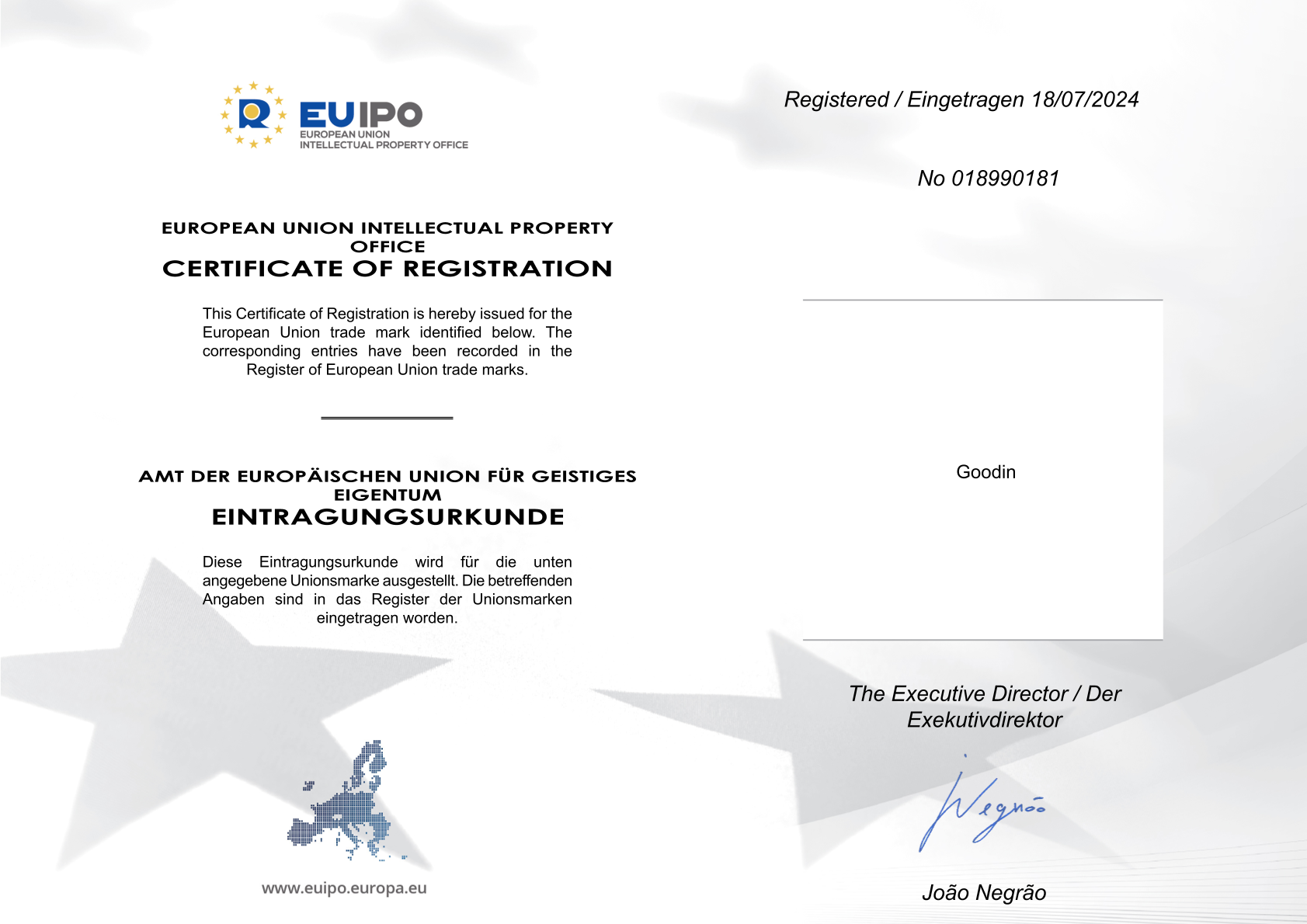
GOODIN maintains trademark registrations in multiple markets as part of its international brand and distribution presence.
 Australia
 United Kingdom
 European Union
Trademark registration indicates brand ownership/registration status and does not constitute clamp-load certification, jockey-wheel approval or regulatory certification for K-7.
Specify the 42 mm Tube and Trailer-Side Mounting Geometry Together
For quotation, provide tube OD/profile, thickness reference/tolerance, mounting-hole pattern, trailer-member geometry, required material/finish, tightening/validation criteria, quantity, packing and destination market.