Beyond Humanoid Robots: What the 140th Canton Fair Reveals About the Future of Chinese Manufacturing
In this article
140TH CANTON FAIR · MARKET INSIGHTS 04
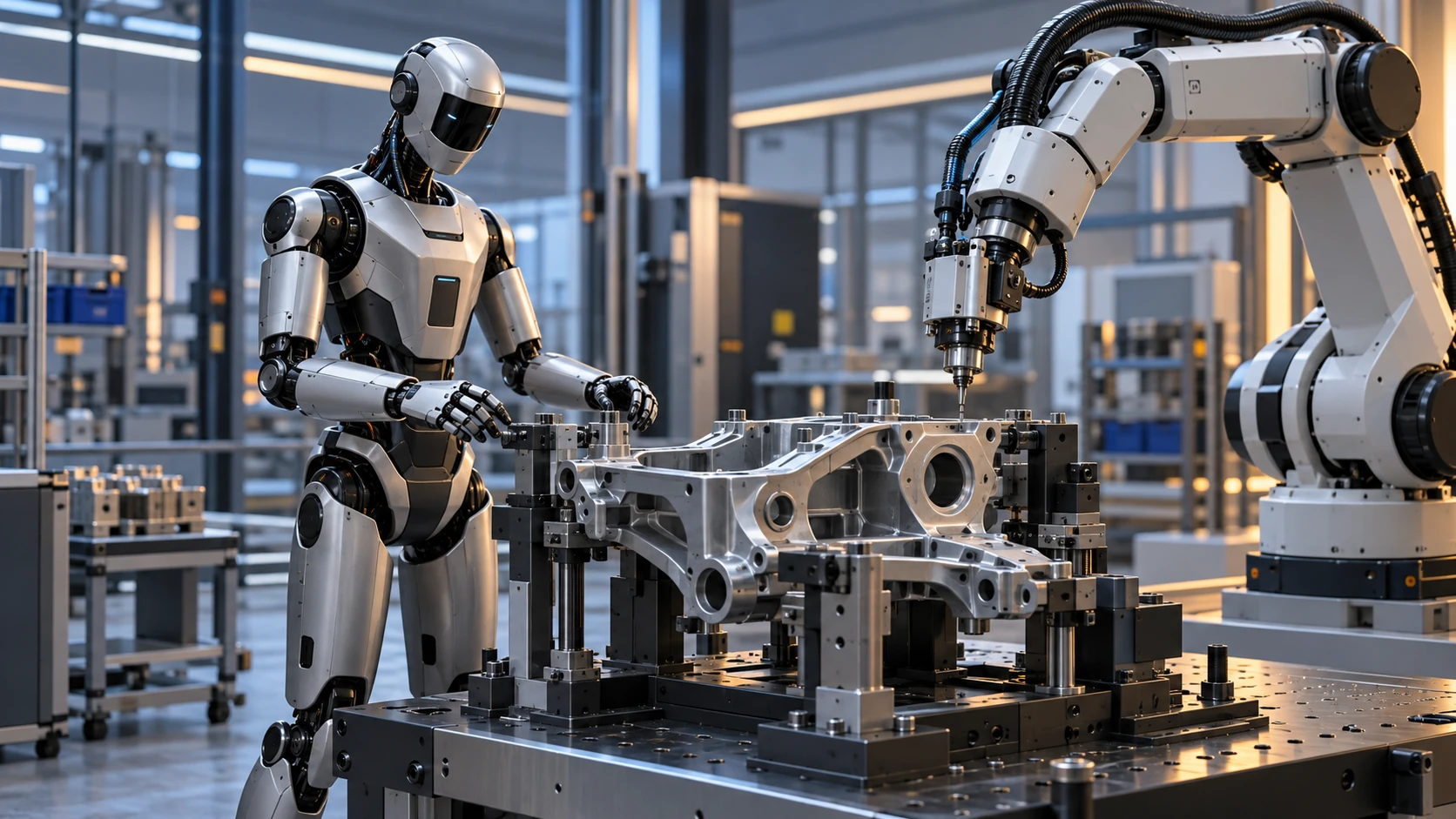
Humanoid robots, intelligent robotic hands and AI-powered machines were among the technologies drawing attention at the 140th China Import and Export Fair (Canton Fair), where the first phase concluded on October 19. [1] [3]
Visitors encountered demonstrations ranging from service robots and quadruped inspection machines to intelligent manufacturing equipment, offering a glimpse of how automation is developing across China's technology and industrial sectors.
According to official figures, the first phase of the exhibition hosted 335 new-product launch events, with products from emerging industries, including robotics, intelligent manufacturing and new energy, forming an important part of the showcase. These 335 events covered the whole first phase, not robotics alone. [3]
Yet the significance of smart manufacturing extends well beyond humanoid robots performing demonstrations.
For international buyers sourcing mechanical equipment, vehicle components and industrial accessories, the more important changes may be taking place inside production facilities: more consistent manufacturing processes, improved measurement and inspection, better production efficiency, and stronger connections between product specifications and manufacturing records.
These developments raise a practical question for global procurement teams.
Does a more automated factory necessarily produce better products—and how can buyers tell the difference between advanced manufacturing technology and measurable product quality?
The answer depends less on the sophistication of individual machines than on how effectively a manufacturer controls its complete production process.
Robotics at the fair: the industrial context
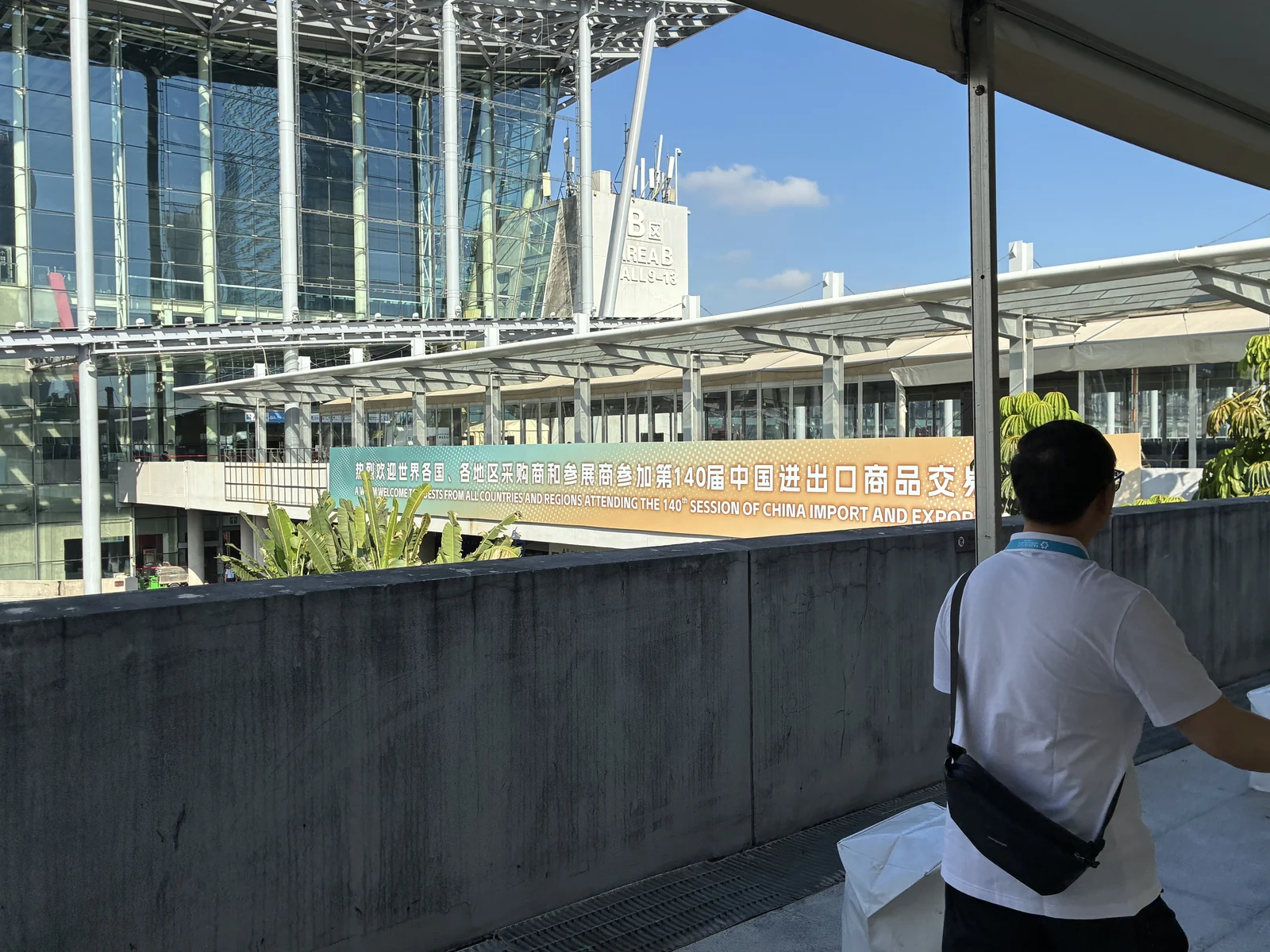
The 140th Canton Fair opened its first phase on October 15 with advanced manufacturing as the central theme.
According to China's Ministry of Commerce, the exhibition covered industrial automation and intelligent manufacturing, processing machinery, mechanical components, new-energy vehicles, electronics and other advanced industrial categories. [1]
A dedicated service robot section was located in Hall 21.2 of the exhibition complex. [13]
The official Canton Fair new-product collection featured several examples of emerging robotics technology, including the Galileo Intelligent Bionic Quadruped Robot S1, PHYBOT C2, robotic manipulation equipment and autonomous inspection robots. [2]
These products demonstrate different aspects of intelligent technology.
Humanoid robots explore the integration of perception, movement and manipulation. Robotic hands focus on controlled interaction with objects. Inspection robots extend automated sensing into environments where human access or repetitive monitoring may be difficult.
Together, they illustrate the expanding range of applications being explored by Chinese technology manufacturers.
However, exhibition demonstrations and practical factory automation should be evaluated separately.
A robot capable of walking, interacting with visitors or manipulating objects is not necessarily the same equipment used for repetitive industrial welding, assembly or dimensional inspection.
The connection lies in underlying technologies such as motion control, machine vision, sensors and automated decision-making.
For manufacturers, the challenge is turning these capabilities into repeatable and economically useful production operations.
Industrial Robotics Growth Provides a Broader Manufacturing Context
The attention given to robotics at the Canton Fair comes against a backdrop of substantial industrial automation investment.
The International Federation of Robotics (IFR) published its World Robotics 2026 report on September 24, 2026. [4]
The report found that approximately 5 million industrial robots were operating in factories worldwide in 2025, representing a 9% increase in the global operational stock. [4]
Factories installed more than 600,000 new industrial robots during that year.
China accounted for approximately 354,000 new installations, representing 59% of global annual deployments. These figures describe 2025 industrial-robot installations and operational stock, not robot exhibits or sales at the 140th Canton Fair. [4]
These figures indicate the scale of industrial robotics adoption, but they do not reveal the quality performance of any individual factory.
A robot installation may automate an existing process, expand production capacity or introduce a new manufacturing capability.
Whether it improves product quality depends on the process design, equipment condition, tooling, input materials, measurement systems and operating controls.
This distinction is particularly important for industrial component buyers.
A supplier with highly automated equipment may offer valuable production capabilities. But the equipment itself does not establish that the finished product meets a particular drawing, tolerance or performance requirement.
Consistency: the less visible value of automation
One of the most commercially useful applications of industrial automation is reducing unwanted variation in repeatable manufacturing operations.
For buyers purchasing thousands of components, consistency can be more important than the appearance of a single excellent sample.
Why Repeatability Matters
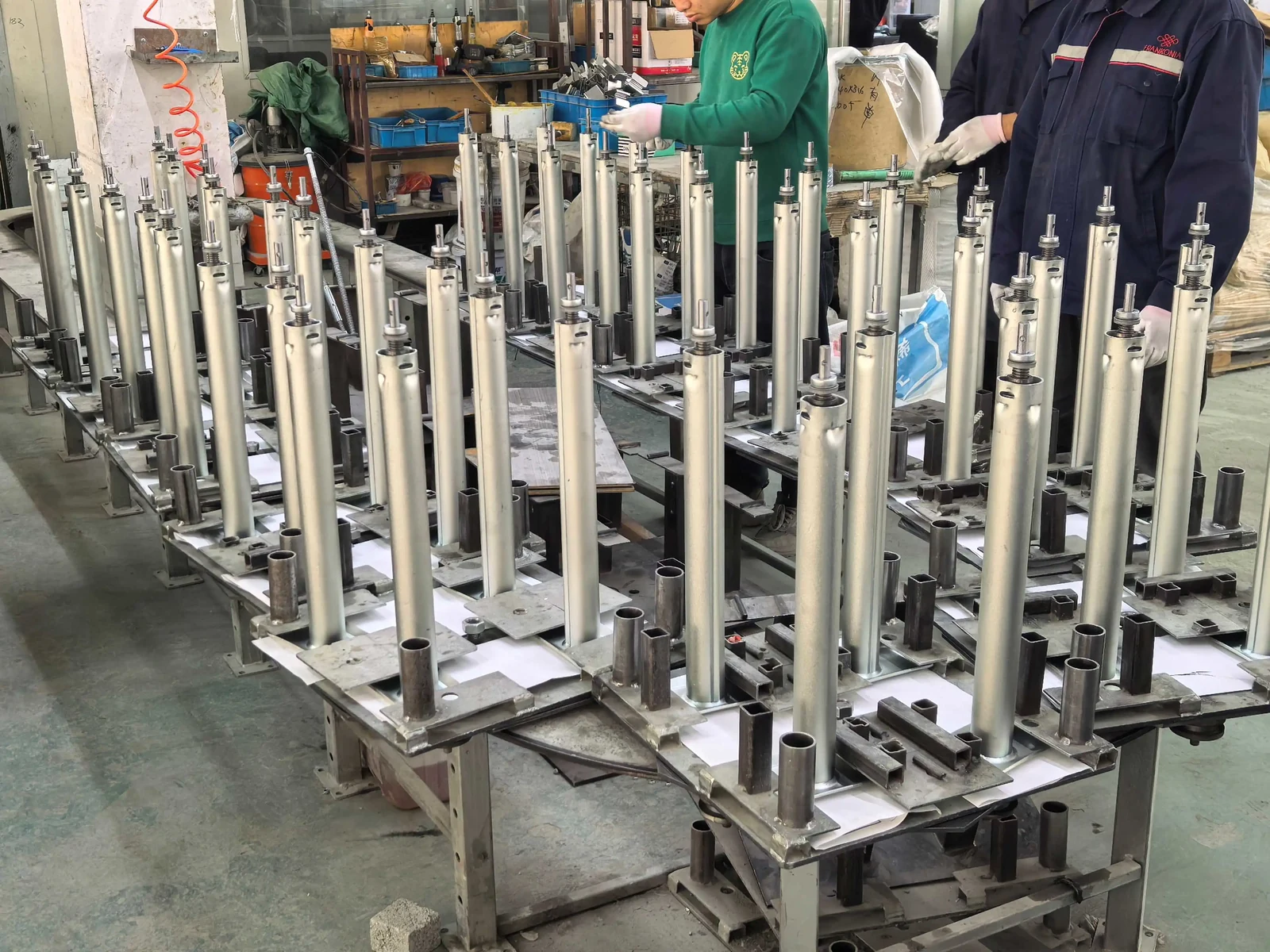
Consider a batch of steel components used in trailer jacks.
These parts may require accurately positioned holes, consistent tube dimensions, properly formed brackets and controlled assembly interfaces.
If one part differs from the next, problems can emerge during final assembly or installation.
A hole positioned outside the specified tolerance may prevent a bracket from fitting.
A tube with unsuitable dimensions may interfere with telescoping movement.
Inconsistent forming can alter the fit between assembled components.
Automation can help control certain variables through programmed motion, repeatable positioning and stable operating sequences.
For example, a properly designed automated cutting or forming operation can reduce variation associated with repeated manual positioning.
However, automation does not eliminate the need for process control.
Tool wear, material variation, fixture movement and incorrect machine settings can still produce nonconforming parts.
An automated process may even repeat the same defect across a large quantity if an incorrect setting goes undetected.
Consistency Must Be Measured
Buyers should distinguish between a process that is automated and a process that is demonstrated to be capable of meeting the required tolerances.
Useful evidence may include dimensional inspection records, first-article inspection results, process-capability information where appropriate, and documented controls for critical characteristics.
A successful production sample is valuable, but stable results across relevant production conditions provide stronger evidence of repeatability.
The most meaningful benefit of automation is therefore not merely that a machine repeats an operation.
It is that the operation can be controlled, measured and corrected when variation becomes unacceptable.
AI inspection: decisions, not just more data
Machine vision and AI-assisted inspection are increasingly important areas of manufacturing technology.
Traditional inspection systems may compare measurements or visible features against predefined rules.
AI-based vision systems can additionally recognize patterns in images, helping identify some forms of surface damage, missing components, assembly errors or unusual visual characteristics.
For industrial component manufacturing, these technologies have potentially valuable applications.
An inspection system might be configured to recognize incorrect component placement, missing hardware, surface irregularities or inconsistent assembly orientation.
What Automated Vision Can Detect
A camera-based system can be effective when the relevant defect is visible, the imaging conditions are controlled and the inspection method has been validated.
However, not all important product characteristics can be determined from an image.
A clean-looking weld does not by itself establish its internal soundness or structural performance.
A correctly assembled trailer jack may still require functional or load-related verification.
A visually acceptable protective coating does not establish its thickness or corrosion-test performance.
These characteristics may require dimensional measurement, mechanical testing, specialized inspection or documented process controls.
AI Inspection Also Needs Verification
An AI inspection system can make two important types of errors.
It may reject an acceptable product, creating unnecessary rework or scrap.
It may also accept a defective product because the defect was not recognized.
Changes in lighting, surface finish, camera position or the types of defects encountered can affect inspection performance.
This is why AI systems require appropriate validation, monitoring and maintenance after deployment.
The U.S. National Institute of Standards and Technology (NIST) highlighted the importance of monitoring deployed AI systems in a March 2026 report, noting that their behavior can vary under real operating conditions. This is general AI monitoring research, not a validation study of a particular factory inspection system. [6]
For buyers, the relevant question is not simply whether a manufacturer uses AI inspection.
It is whether the inspection method is capable of identifying the agreed defects and whether the manufacturer has a reliable way to handle inspection failures.
Smart inspection adds value when it produces trustworthy decisions—not merely when it generates more inspection data.
Efficiency means conforming output
Automation can help manufacturers improve operating efficiency through reduced handling time, better process coordination and more consistent machine operation.
Yet an increase in production speed is not automatically an increase in effective output.
A production line may manufacture more components per hour while also creating additional scrap or rework.
The meaningful improvement is the ability to produce more acceptable components within the required specifications.
Production Speed Versus Conforming Output
Suppose a manufacturer shortens the cycle time of a forming operation.
If the faster process maintains dimensional accuracy and acceptable material condition, the change may improve productive capacity.
If the process introduces distortion or excessive tool wear, the apparent speed advantage can be lost through inspection failures and rework.
Manufacturing performance therefore needs to be evaluated through several connected measures:
- Production output
- Quality acceptance results
- Equipment availability
- Scrap and rework
- Lead-time reliability
- Consistency between production batches
These measures describe different parts of the manufacturing system.
A high equipment utilization rate does not guarantee low defect rates.
Similarly, a low defect rate during a small trial does not establish the supplier's ability to maintain that performance during sustained production.
Why This Matters for International Buyers
For distributors and OEM customers, reliable production planning can be just as important as manufacturing speed.
A supplier capable of producing large quantities but unable to maintain a stable delivery schedule may create inventory and logistics problems.
Effective automation should support predictable production, adequate quality control and reliable order fulfillment.
The value to the buyer is not just a shorter machine cycle, but a more dependable supply process.
Traceability: link specifications to records
Another important development in smart manufacturing is the increasing ability to connect product information across different stages of production.
This concept is often described as a digital thread.
NIST's research on the digital thread for manufacturing focuses on linking product definitions, manufacturing operations and quality information so that data can be exchanged and traced across the product lifecycle. [5]
For industrial buyers, the practical value is straightforward.
When a component does not meet its specification, the manufacturer should be able to investigate what was produced, which requirements applied and what manufacturing information is relevant to the problem.
What Useful Traceability Looks Like
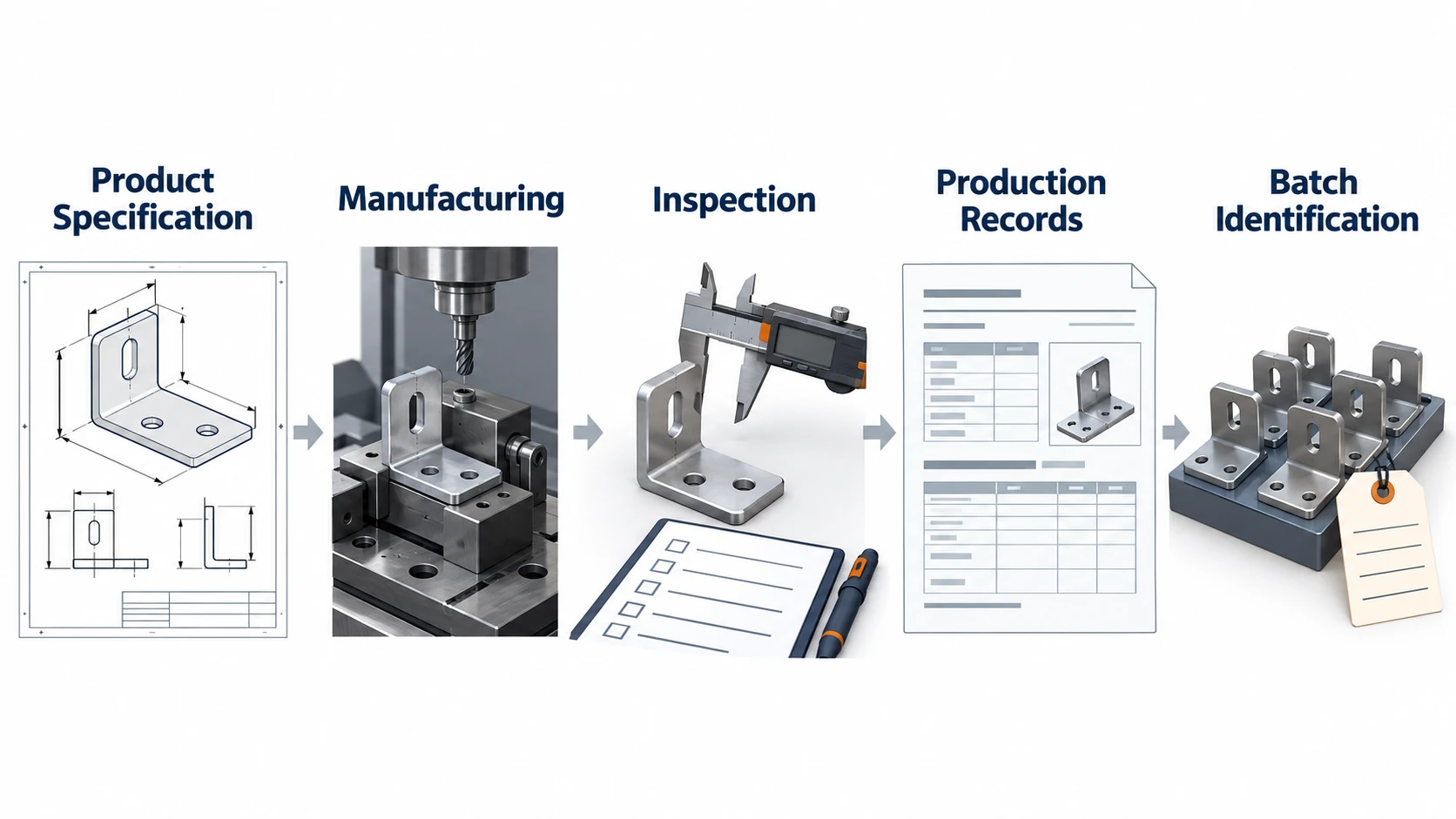
Depending on the product and order requirements, traceability may connect:
- Product model and drawing revision
- Material identification
- Manufacturing batch or production lot
- Relevant process and inspection records
- Assembly configuration
- Final inspection and shipment information
Not every mechanical component requires an individual serial number.
For standardized, high-volume products, batch-level identification may be appropriate.
For products requiring more detailed control, individual identification or additional records may be necessary.
The required level of traceability should reflect the component's application, contractual requirements and consequences of failure.
Why Traceability Matters After Delivery
Consider a distributor receiving several shipments of trailer jacks over a year.
If a dimensional issue is later identified, useful production records may help determine which product models or batches require additional inspection.
Without sufficient identification, the distributor may have difficulty distinguishing potentially affected products from unaffected stock.
A traceable production system can support more targeted investigation and corrective action.
However, digital records are only useful when the underlying information is accurate and the links between records are maintained.
A sophisticated software platform cannot compensate for incorrect product identification or incomplete inspection data.
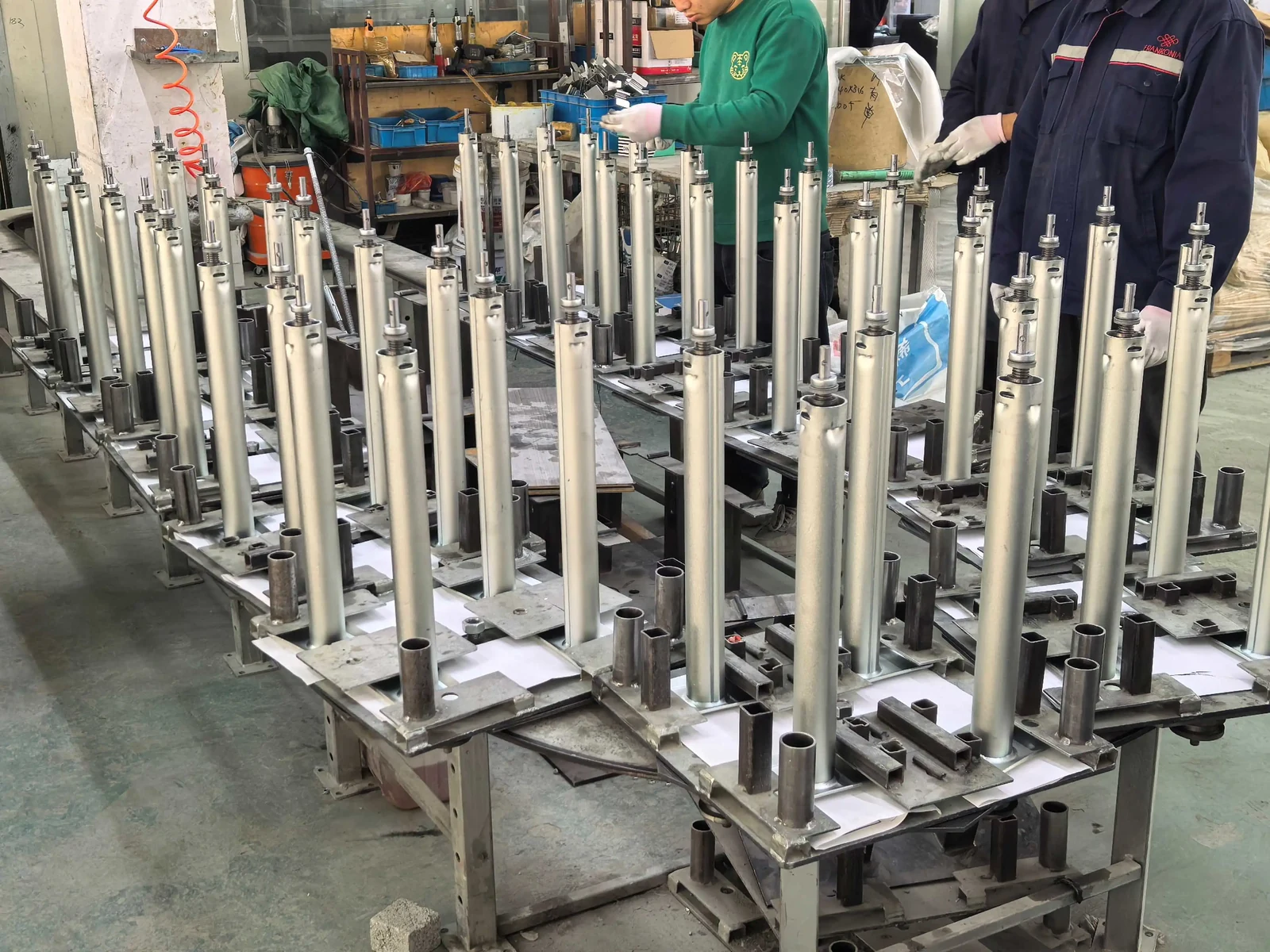
What this means for trailer components
For buyers of mechanical trailer equipment, the value of intelligent manufacturing becomes clearer when it is connected to specific product characteristics.
Different products require different forms of manufacturing and inspection control.
Trailer Jacks: Dimensions, Assembly and Functional Movement
A trailer jack may include formed or fabricated steel components, telescoping sections, a lifting mechanism, gears, brackets and a protective finish.
Important manufacturing characteristics can include:
Dimensional consistency: Tube dimensions, bracket geometry, hole locations and working-height references.
Assembly quality: Correct engagement and alignment of the lifting mechanism and related components.
Functional performance: Smooth operation through the approved adjustment range and correct behavior under specified test conditions.
Surface protection: The agreed coating system and measurable finish requirements.
Automated equipment may help with cutting, forming, assembly or inspection, depending on the manufacturer's actual production process.
However, dimensional conformity and functional performance still require appropriate verification.
Jockey Wheels: Fit, Mechanism and Support Components
A jockey wheel combines a supporting mechanism with a wheel and mounting arrangement.
Its suitability depends on more than the nominal capacity.
The wheel assembly, bracket dimensions, travel range, handle mechanism and locking arrangement must work together.
Manufacturing consistency is particularly important where a component is intended to fit an established trailer design.
Differences in bracket hole spacing or tube dimensions can prevent installation even when two products appear similar.
For an OEM buyer, verified drawings and repeatable production dimensions are often more useful than a general statement about factory automation.
Manual Winches: Gear Engagement and Controlled Operation
Manual winches introduce different manufacturing concerns.
The gears, shafts, ratchet components, drum and mounting frame form a connected mechanical system.
Consistent gear geometry and alignment are important, but reliable operation also depends on assembly and functional verification.
A winch may have acceptable external appearance while suffering from incorrect pawl engagement, shaft misalignment or other mechanical problems.
These conditions cannot be evaluated through appearance alone.
For buyers, the relevant quality evidence may include component specifications, dimensional checks and suitable functional inspection procedures.
The exact inspection plan should follow the winch design and intended pulling application.
Verify evidence, not equipment alone
A modern factory can demonstrate automation equipment, digital production dashboards and intelligent inspection systems.
These features can provide useful insight into manufacturing capability.
However, procurement decisions should connect technology claims with product-specific evidence.
| Manufacturing capability | Potential benefit | Evidence buyers should evaluate |
|---|---|---|
| Automated cutting or forming | More consistent component geometry | Drawings, tolerances and dimensional inspection results |
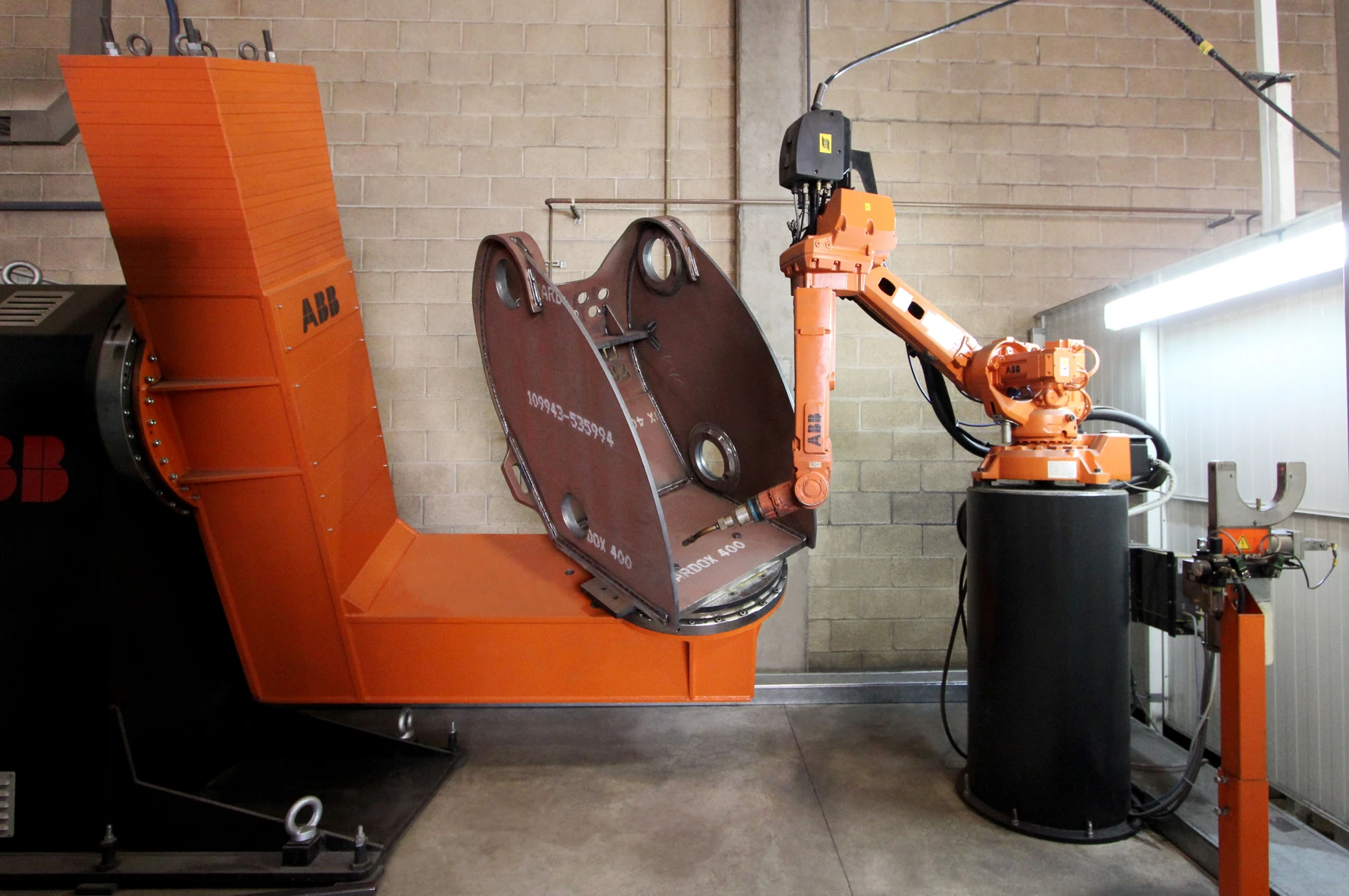
| Robotic welding | More repeatable programmed welding operations | Applicable welding procedures, process controls and suitable weld verification |
| Machine vision inspection | Faster identification of defined visible defects | Inspection scope, validation results and defect-handling procedures |
| Automated assembly | More consistent operation sequencing | Assembly controls and functional inspection results |
| Production monitoring systems | Improved visibility into operating performance | Relevant production records, corrective actions and delivery performance |
| Digital traceability | Easier identification of production history | Model, lot or serial records linked to relevant manufacturing and inspection information |
These capabilities should be evaluated against the product being purchased.
For example, an automated welding demonstration is not evidence that a specific trailer jack has passed a required load test.
Similarly, a digital inspection dashboard does not establish whether the measurement equipment is accurate.
The International Organization for Standardization's ISO 10012:2026 standard addresses measurement management systems and the confidence needed in measurement results. [7]
Reliable inspection depends on suitable measuring methods, equipment and management practices, regardless of whether the measurements are collected manually or automatically. ISO 9001 Auditing Practices Group papers also discuss measurement traceability and auditing a quality-management system that uses AI; those papers are educational guidance, not additional mandatory certification requirements. [8]
For international procurement teams, a more practical question than "How many robots are in the factory?" is:
"Which critical product characteristics are controlled, how are they verified, and how is the evidence connected to the goods being delivered?"
Does a Smart Factory Always Make a Better Supplier?
Not necessarily.
A high level of automation can be advantageous for manufacturing operations that require substantial volume and repeatable processing.
However, automation is only one part of overall supplier capability.
A manufacturer with advanced equipment may still face quality problems if product requirements are unclear, tooling is poorly maintained or inspection methods are unsuitable.
Conversely, a manufacturer using a combination of manual, semi-automated and automated processes may produce reliable components when those processes are properly controlled.
The appropriate manufacturing approach depends on product complexity, order quantities, technical requirements and available production methods.
Three Questions Matter More Than the Automation Level
Can the supplier meet the agreed specification?
The buyer should establish whether critical dimensions, functional requirements, materials and finishes are defined and verified.
Can the supplier repeat that result across production?
Consistent output requires appropriate controls across material preparation, manufacturing, assembly and inspection.
Can the supplier explain and correct a problem?
Useful manufacturing records and clear responsibility for corrective action are important when an issue arises.
These questions provide a more balanced foundation for supplier evaluation than the visible sophistication of factory equipment alone.
GOODIN: translate capability into procurement confidence
GOODIN participated in the first phase of the 140th Canton Fair, presenting trailer components and marine safety equipment to international visitors. [12]
The exhibition's emphasis on intelligent technology offers a broader perspective on how manufacturing capabilities are developing.
For buyers working with GOODIN's core product categories, the most relevant implications concern product consistency, technical verification and application suitability.
Trailer Jack Specifications Must Be Repeatable
The GOODIN LF962-1510B sidewind trailer jack has a published 1,500 lb capacity, a 6-inch wheel and 10 inches of adjustment travel. [9]
For OEM and replacement-part applications, buyers need to evaluate these specifications alongside the mounting arrangement and required working dimensions.
The manufacturing objective is not simply to produce a component that resembles the approved sample, but to maintain the agreed characteristics throughout the order.
Jockey Wheel Compatibility Requires Dimensional Control
GOODIN's GD-LF-AU-7510 jockey wheel has a published 750 kg capacity, a 10-inch rubber wheel, topwind operation and 10 inches of travel. [10]
Its installation and operation also depend on the bracket arrangement, working height and relevant trailer-side geometry.
These are examples of characteristics for which accurate drawings, controlled production and suitable inspection information support more reliable purchasing decisions.
Manual Winches Require More Than External Inspection
GOODIN's GD-C2000 manual cable winch has a published 2,000 lb rated pulling capacity, 4:1 and 8:1 gear ratios, and a 4.8 mm × 10 m cable. [11]
Its operating performance depends on the mechanical relationship between the drive components, ratchet, drum and pulling medium.
For a buyer evaluating this category, product-specific functional requirements and inspection criteria are more useful than general claims about modern machinery.
What GOODIN Emphasizes in Sourcing Discussions
The development of smart manufacturing reinforces several established requirements for international industrial procurement.
Customers should be able to define the product configuration they need, understand the technical characteristics that affect the application, and establish suitable quality and acceptance requirements before production.
For trailer equipment, those discussions often begin with:
- Rated capacity and intended operating conditions
- Mounting dimensions and installation compatibility
- Required working height, travel or pulling configuration
- Materials and surface protection
- Product identification and applicable documentation
- Sampling, inspection and acceptance requirements
- Quantity, packaging and delivery arrangements
These requirements help create a clear connection between the initial product inquiry and the components ultimately supplied.
GOODIN's Trailer Jack Range and Manual Winches provide model-specific configurations for further evaluation.
The wider industry's investment in robotics and AI makes manufacturing technology increasingly visible. For mechanical-component buyers, however, the end goal remains clear: dependable products that meet their actual technical and commercial requirements.
The next step: measurable manufacturing value
The 140th Canton Fair demonstrates how quickly intelligent technology is expanding across Chinese industries.
Humanoid robots, automated systems and AI-powered products offer compelling examples of technological development.
For industrial manufacturers, the next challenge is to translate technological capabilities into reliable operations.
That includes reducing unwanted process variation, selecting appropriate inspection methods, managing production information and maintaining confidence in delivered products.
For international buyers, a smart factory is most valuable when its technologies support measurable requirements and repeatable outcomes.
Advanced equipment can strengthen manufacturing capabilities, but its value must be demonstrated through the products and processes it supports.
Conclusion: The Future of Manufacturing Is About More Than Robots
Humanoid robots and intelligent machines were among the visible highlights of the 140th Canton Fair.
But the future of Chinese manufacturing cannot be measured simply by the number of robotic demonstrations or automated machines.
Industrial progress also depends on production consistency, trustworthy inspection, reliable delivery and the ability to connect product specifications with actual manufacturing results.
For buyers of trailer jacks, jockey wheels, manual winches and other industrial components, these considerations are directly relevant to product quality and sourcing decisions.
The real value of smart manufacturing is not how impressive a factory looks, but how reliably it can turn defined product requirements into consistent, verifiable results.
As manufacturing technologies continue to evolve, that principle will remain central to building reliable international supply relationships.
International OEM buyers and distributors can explore Trailer Jack Range or contact GOODIN to discuss product specifications, available configurations and sourcing requirements.
Sources & Further Reading
The 335 launch events concern the whole first fair phase. IFR figures describe the 2025 industrial-robot market, not fair sales or a particular factory. NIST AI research is general; ISO 9001 auditing papers are educational guidance. Model specifications do not establish unreported tests or GOODIN automation capabilities.
- MOFCOM — Introduction of the 140th Canton Fair
- Canton Fair — Intelligent Future: official new-product collection
- CCTV News via Beijing Daily — The first phase of the 140th Canton Fair concludes
- International Federation of Robotics — World Robotics 2026: five million robots in factories
- NIST — Digital Thread for Manufacturing
- NIST — Challenges to the monitoring of deployed AI systems
- ISO — ISO 10012:2026 — requirements for measurement management systems
- ISO 9001 Auditing Practices Group — Auditing guidance, measurement traceability and AI systems
- GOODIN — LF962-1510B sidewind trailer jack
- GOODIN — GD-LF-AU-7510 heavy-duty jockey wheel
- GOODIN — GD-C2000 two-speed manual cable winch
- GOODIN — GOODIN at the 140th Canton Fair
- Guangzhou Daily / Xinhuacheng — Robotics demonstrations in Hall 21.2 at the 140th Canton Fair
From Smart Mobility to Outdoor Adventures: Vehicle Accessory Trends at the 140th Canton Fair
Related Article