Trump Raises "Global Import Tariff" from 10% to 15%
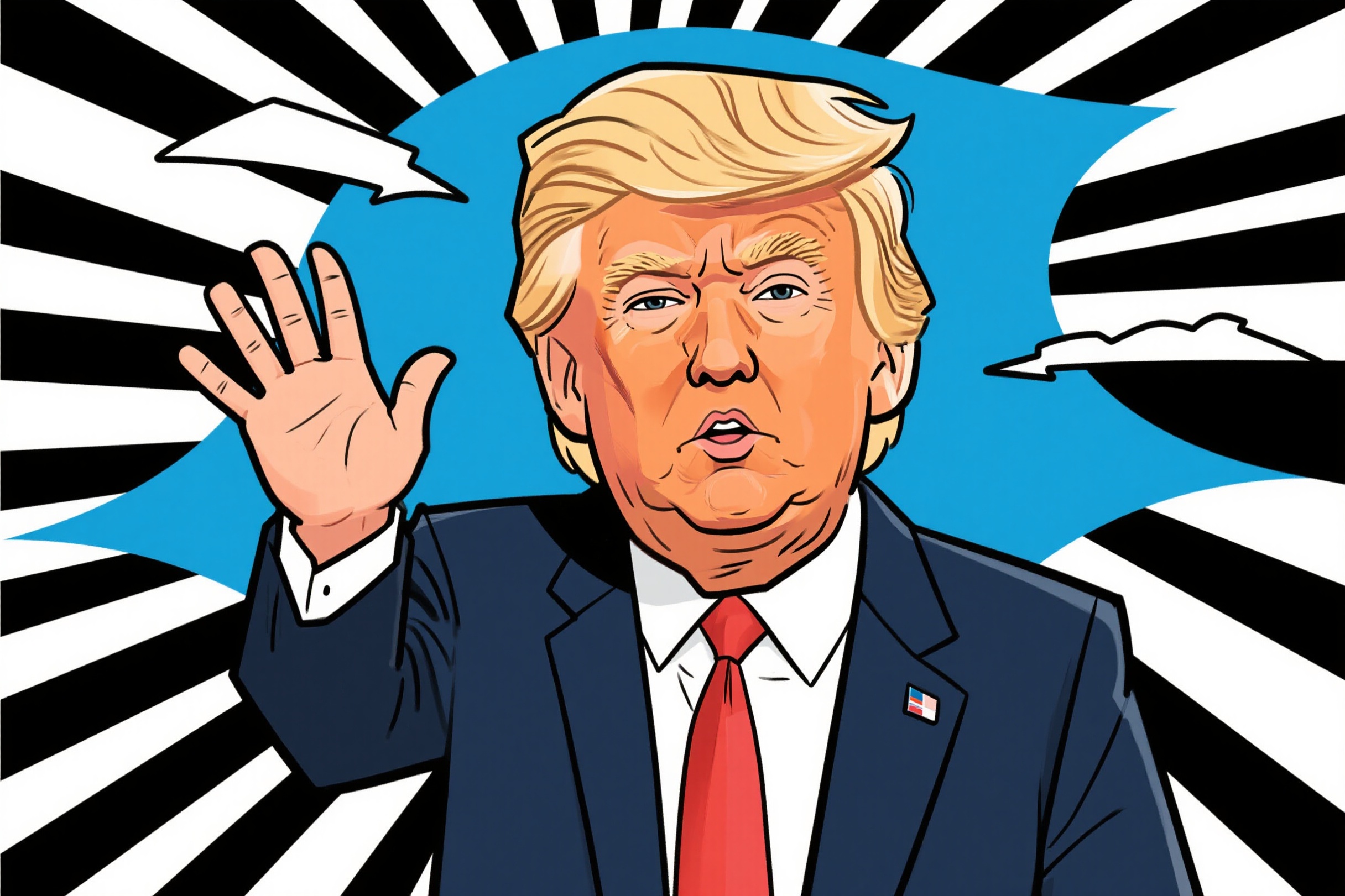
Trump Raises "Global Import Tariff" from 10% to 15%
February 22, 2026 – Comprehensive Report: U.S. President Donald Trump abruptly announced on the 21st that he would immediately raise the rate of the newly imposed "global import tariff" from 10% to 15%. This action is seen as a direct response to a landmark ruling by the U.S. Supreme Court on the 20th, which declared tariffs levied by the Trump administration under the long-relied-upon International Emergency Economic Powers Act illegal and void.
The ruling delivered a significant blow to a core pillar of the administration's trade policy. On the day of the ruling, Trump urgently invoked Section 122 of the Trade Act of 1974 – which had never before been utilized – launching an initial 150-day global tariff scheme at 10%. Within less than 24 hours, however, he rapidly increased this rate to the maximum 15% permitted under Section 122. The White House concurrently stated that all existing tariffs based on "national security" (Section 232) and alleged "unfair trade practices" (Section 301) would remain in force.
The backdrop of this aggressive tariff move stems from the Supreme Court rejecting the International Emergency Economic Powers Act as the legal basis for enacting large-scale tariffs. Faced with this judicial setback, the White House was forced to urgently seek alternative legal mechanisms to sustain its signature protectionist trade agenda, turning to Section 122 – often termed a "nuclear option" allowing presidents to impose time-limited global tariffs of up to 15% for 150 days during significant trade deficits. Political pressures ahead of the 2026 U.S. midterm elections serve as another key driver: Trump or Republicans must demonstrate a strong trade stance to maintain their "America First" core voter base. Persistent large trade deficits provide the stated justification for the policy.
More fundamentally, the multilateral trading system, particularly the WTO, has been dysfunctional long term, with its dispute resolution paralyzed and major powers routinely exploiting loopholes. Concurrently, the retreat from globalization, anxieties over supply chain security, and strategic unease about the rising competitiveness of emerging economies like China have collectively fostered an international environment conducive to unilateral tough actions. This episode represents an extreme reaction by the Trump administration to its judicial defeat amidst shifting domestic and global dynamics. It signifies the accelerated disintegration of the rules-based global trading system, ushering in a new phase dominated by "jungle rules" driven by great-power leverage and domestic politics – heralding profound uncertainty and severe disruptions to global trade patterns.
Given heightened trade tensions, global trade faces a future of constrained trajectories:
- Weakening Trade Rules: The erosion of the international trade rulebook will accelerate, pushing more nations towards unilateral tariffs and regional blocs, further undermining the coordinating role of the WTO.
- Supply Chain Shifts: Corporations will inevitably prioritize localization and near-shoring to mitigate risks, enhancing regional resilience at the cost of reduced efficiency and increased market fragmentation.
- Economic Instability: Rising trade barriers and retaliatory actions will amplify volatility in goods prices, worsening inflationary pressure globally, while limiting growth prospects for many emerging economies.
- Deepening Multipolarity: Major trading players like the EU, Asian nations, and China-led regional groups are likely to strengthen internal cooperation as a buffer, although this cannot eliminate the risks of major power confrontation. Overall, global trade may enter a prolonged phase characterized by persistent friction coexisting with managed engagement, posing severe challenges to stability.
As an international trade participant, GOODIN solemnly calls upon the global community to collaborate to foster dialogue and cooperation, upholding a peaceful multilateral trading framework. We firmly believe that de-escalating tariff conflicts and promoting fair negotiations are crucial steps for rebuilding trust and ensuring the continued prosperity of global markets in harmony.
China Firmly Responds to UK Sanctions Involving Russia, Export Company GOODIN Calls for Upholding Fairness in International Trade
Chinese-Built Africa's First Desert Heavy-Haul Railway Inaugurated
Related Article