Electro-Galvanizing vs. Hot-Dip Galvanizing

In steel anti-corrosion applications, electro-galvanizing (zinc plating) and hot-dip galvanizing represent the two most prevalent processes, with significant differences in performance, cost, and application scenarios.
- Electro-Galvanizing: Utilizes electrolytic deposition to form a thin (5-15 μm), uniformly bright zinc layer on workpiece surfaces. It delivers an aesthetically pleasing finish at lower costs and is suitable for mass production. After passivation treatment, it withstands neutral salt spray testing for 48–72 hours, sufficient for indoor, dry, and mildly corrosive environments.
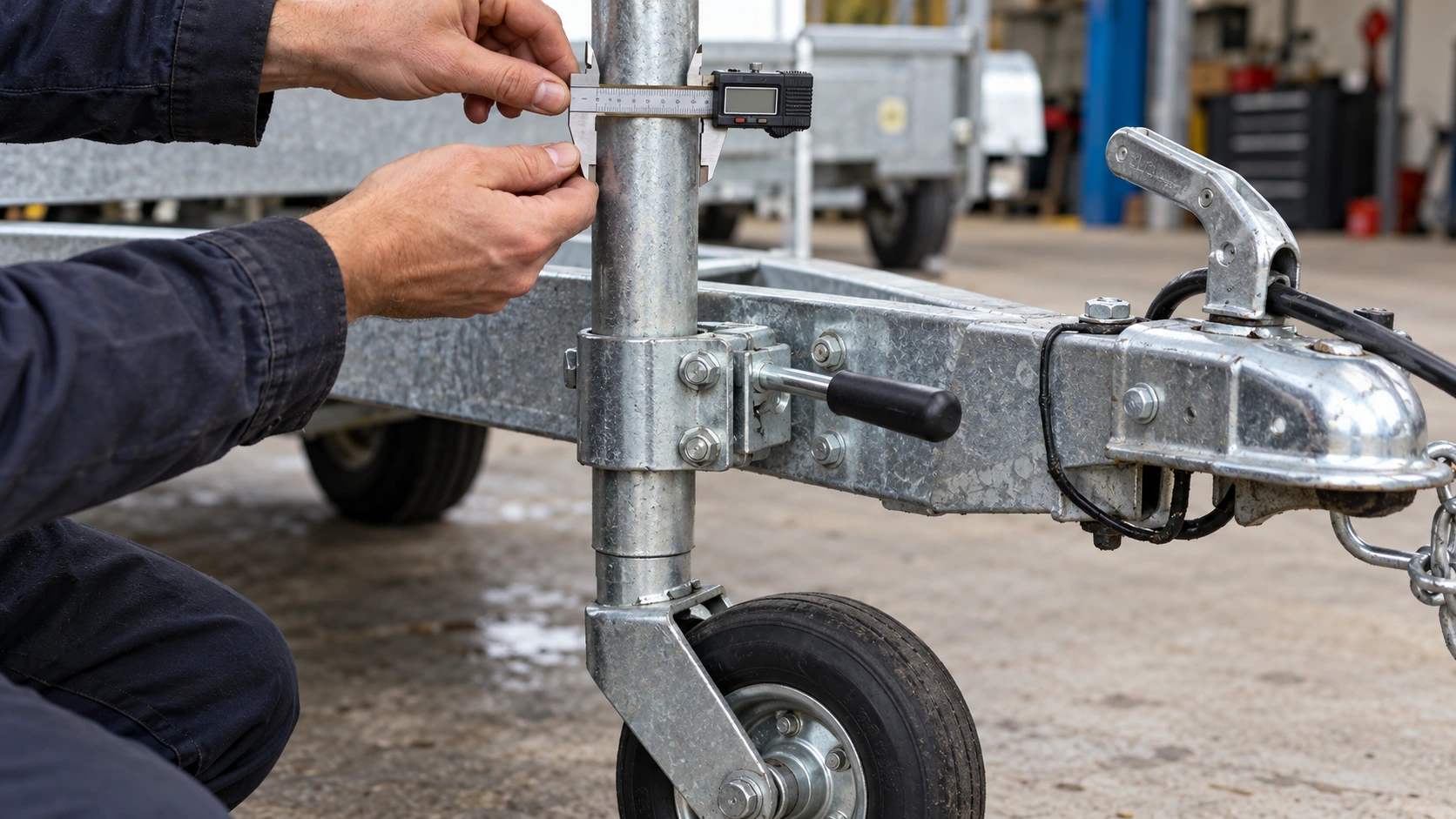
- Hot-Dip Galvanizing: Involves immersing workpieces in molten zinc at ≈450°C, forming a thick (45–200 μm) alloy coating through an Fe-Zn metallurgical reaction. This produces exceptional adhesion and corrosion resistance (>200 hours in salt spray testing), offering decades of protection in harsh outdoor conditions. However, it entails higher costs and yields a matte gray finish with slight surface roughness.
The core distinction lies in the balance between corrosion resistance longevity and cost: Hot-dip galvanizing lasts several times longer than electro-galvanizing but requires substantially higher initial investment. Process selection thus hinges on practical engineering considerations—operational environment, expected service life, and budget—rather than absolute superiority.

Application Scenarios
- Electro-Galvanizing (Recommended for):
Indoor products, precision components requiring tight dimensional tolerance, and cost-sensitive consumer goods (e.g., electronics housings, furniture hardware, general fasteners, wire conduits). - Hot-Dip Galvanizing (Recommended for):
Large steel structures enduring prolonged exposure to moisture, salt spray, or industrial corrosives (e.g., utility towers, highway guardrails, bridge elements, PV mounting systems, streetlight poles).
Summary: Opt for electro-galvanizing in dry, low-cost, short-term indoor/sheltered settings; choose hot-dip galvanizing for humid, high-salinity, long-term outdoor environments.

Trailer Jack Selection Criteria
For trailer jacks, the optimal choice depends on user-specific conditions. Electro-galvanized versions may offer superior value in these scenarios:
- Arid Climates: Regions with minimal rainfall and low humidity (e.g., U.S. Southwest, Australian outback, Middle East, Southern Europe) lack sustained electrochemical corrosion risks. Electro-galvanizing suffices for years of protection without warranting hot-dip premiums.
- Infrequent Usage: Trailers used sparingly (e.g., recreational/weekend haulers) expose jacks to dry, static conditions most of the year. Electro-galvanizing’s lifespan aligns well with such low-duty cycles.
- Indoor Storage: Trailers housed in dry, ventilated garages without chemical fumes or moisture exposure render electro-galvanizing corrosion-resistant while retaining its visual appeal.
- Non-Coastal Inland Use: Trailers operating far from coastlines, salt pans, or de-icing zones face minimal salt-spray corrosion risks. Electro-galvanizing handles mild inland corrosion adequately.

Advantages of Hot-Dip Galvanizing
For worry-free, low-maintenance performance:
- Ultra-Longevity & Durability: Metallurgical bonding ensures >50-year suburban service life with minimal upkeep.
- Impact Resistance: Thick coatings tolerate gravel abrasions; minor scratches rarely compromise structural integrity.
- Lifecycle Economy: Higher upfront costs are offset by reduced maintenance/replacement expenses long-term, whereas electro-galvanized components risk degradation and failure costs over time.
Neither process is inherently "better"; suitability depends entirely on operational realities. When selecting a trailer jack:
- Choose electro-galvanizing if your use case meets ≥2 of: Dry, Infrequent, Indoor, Inland. It delivers cost-effective reliability.
- Invest in hot-dip galvanizing if facing ≥1 of: Humid, Frequent, Outdoor, Coastal. The incremental expense prevents rust, seizing, and future maintenance burdens.
Note: All specifications align with industrial standards and practical corrosion-protection data. Consult ASTM A123 (hot-dip) and ASTM B633 (electroplated) for certification details.
Trailer Tongue Jack: Manual or Electric? A No-Nonsense Buyer’s Guide That Leaves No Question Unanswered
The Foundational Logic of Trailer Jack Selection
Related Article