New EU Tachograph Rules for Vans and Trailers Take Effect in July 2026
From 1 July 2026, certain light commercial vehicles used in international freight transport or cabotage must comply with EU driving-and-rest-time rules and use a second-generation smart tachograph.
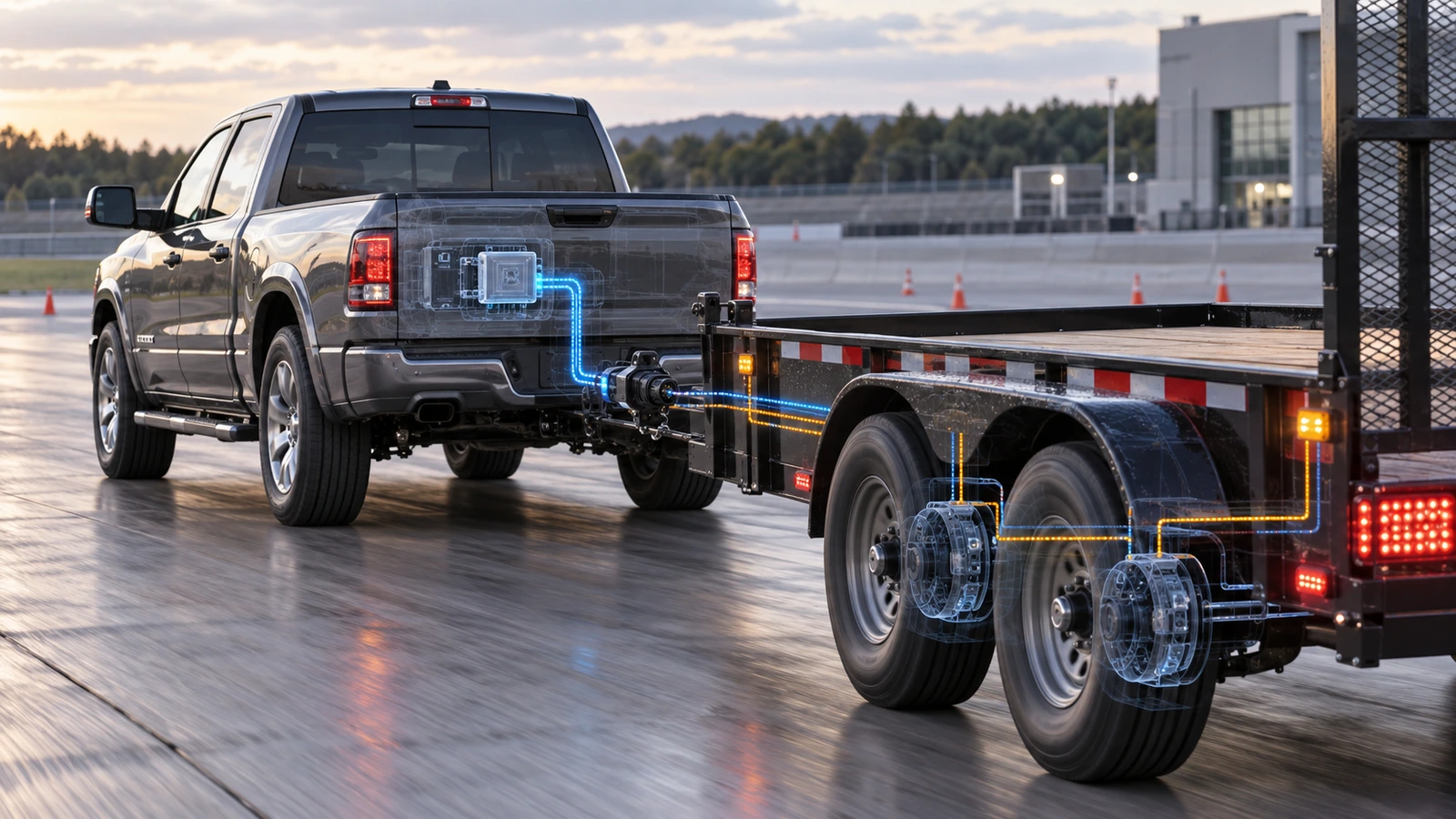
The threshold is based on the maximum permissible mass of the complete vehicle combination, including any trailer or semi-trailer. This means a van that appears to fall below 2.5 tonnes on its own may enter the regulated scope once a trailer is attached.

What Changed on 1 July 2026?
The European Union has extended key road-transport social rules to an important part of the light commercial vehicle market. Until this change, the main driving-time and tachograph framework generally focused on goods vehicles and combinations exceeding 3.5 tonnes.
From 1 July 2026, the rules also cover light commercial vehicles with a maximum permissible mass above 2.5 tonnes and up to 3.5 tonnes when they are used for international carriage of goods or cabotage for hire or reward.
Covered operators and drivers must prepare for:
- EU driving-time, break and rest-period requirements;
- mandatory use of a second-generation smart tachograph, also known as G2V2;
- correct use of driver cards and company tachograph procedures;
- driver-posting requirements where the relevant posting rules apply;
- roadside inspections and company-level record checks.
In EU road-transport law, cabotage means temporary domestic haulage for hire or reward within a host Member State by a non-resident transport operator. It should not be interpreted as maritime or coastal transport.
Which Van and Trailer Combinations Are Affected?
The rules may apply to vans, light trucks and pickup-type commercial vehicles used in covered cross-border freight operations. The critical point is that the authorised mass of the trailer or semi-trailer is included when assessing the vehicle combination.
| Example combination | Maximum permissible mass | Likely position from 1 July 2026 |
|---|---|---|
| Van only | 2,400 kg | Below the new threshold, assuming no other rule brings the vehicle into scope. |
| 2,400 kg van + 750 kg trailer | 3,150 kg combined | Potentially in scope for international goods transport or cabotage for hire or reward. |
| 2,700 kg van without a trailer | 2,700 kg | Potentially in scope when used for a covered international operation. |
| 3,000 kg van + 500 kg trailer | 3,500 kg combined | Within the new light-commercial range, subject to the activity and any applicable exemption. |
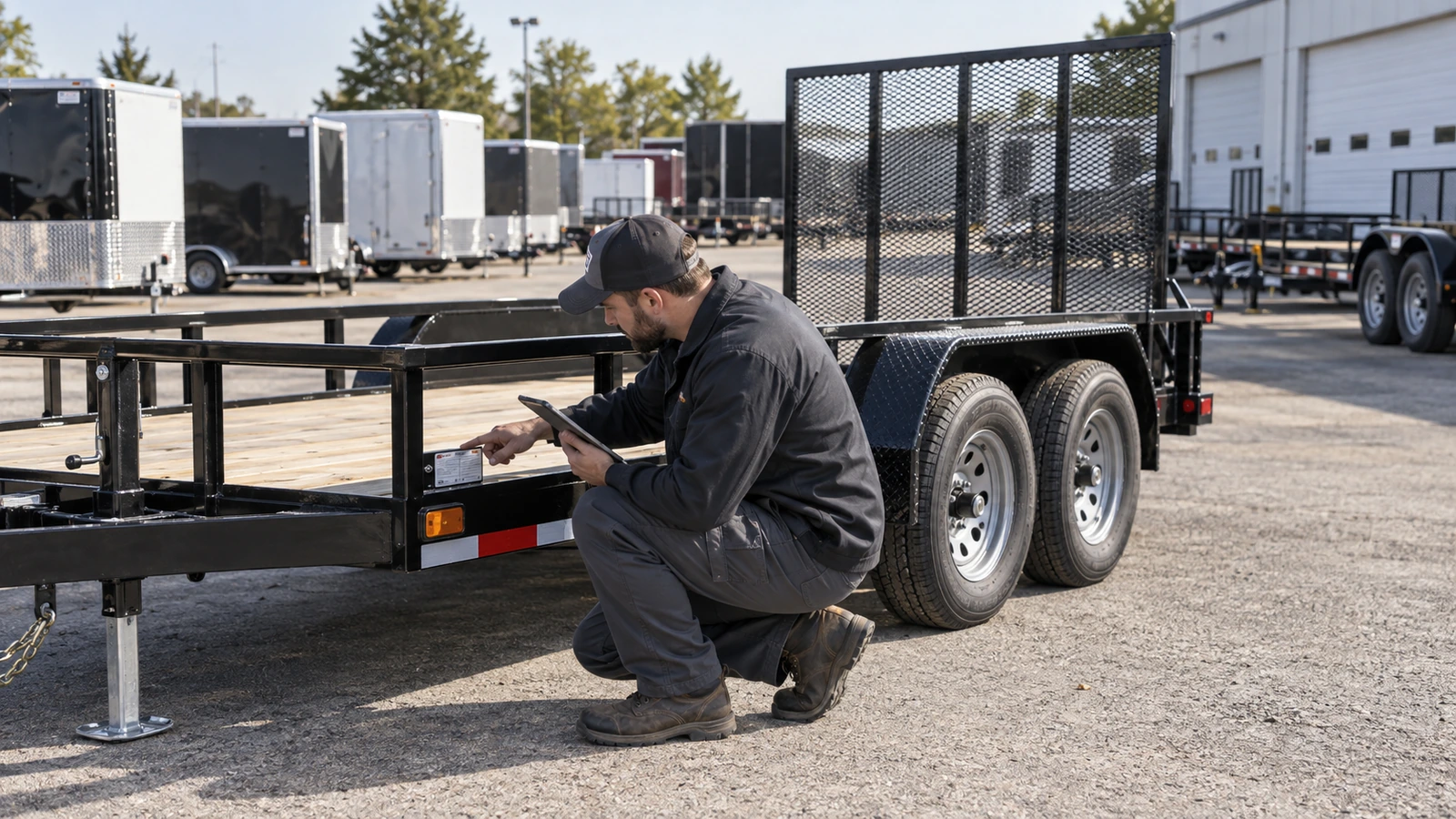
These examples are simplified. Operators should confirm the authorised masses shown in the vehicle and trailer registration documents, the nature of the transport service and whether a specific exemption applies.
Does “2.5 Tonnes” Mean Curb Weight or Maximum Permissible Mass?
The threshold does not refer simply to empty weight, curb weight or the actual weight measured on one particular trip.
EU rules use the term maximum permissible mass, meaning the maximum authorised operating mass of the vehicle when fully laden. For the July 2026 extension, the calculation includes any trailer or semi-trailer.
A vehicle combination does not remain outside the rules merely because the trailer is empty or lightly loaded. The authorised maximum mass is the starting point, not only the actual weight carried during the journey.

Why Adding a Trailer Can Bring a Van Into the Regulated Scope
Small logistics companies often use vans because they are flexible in urban areas, economical to operate and suitable for cross-border deliveries. Adding a trailer increases cargo volume or allows the transport of motorcycles, boats, tools and machinery without replacing the towing vehicle.
Under the new rules, however, the trailer also changes the regulatory calculation. A van rated below 2.5 tonnes may exceed the threshold as a combination once a box trailer, boat trailer, motorcycle trailer or equipment trailer is connected.
Fleet managers should review:
- the maximum permissible mass of each towing vehicle;
- the authorised mass of every trailer used with that vehicle;
- whether the route is international transport or cabotage;
- whether the transport is carried out for hire or reward;
- whether an own-account exemption may apply;
- whether driving is the driver’s main activity;
- whether the vehicle, driver and company are ready for tachograph compliance.
Not Every Van-and-Trailer Journey Is Automatically Covered
The new threshold should not be interpreted as a universal tachograph requirement for every private, trade or own-account trailer movement.
Regulation (EC) No 561/2006 contains an exemption for certain vehicles or combinations above 2.5 tonnes and not exceeding 3.5 tonnes when the goods are carried on the own account of the company or driver, the transport is not for hire or reward, and driving is not the driver’s main activity.
Other exemptions or national derogations may also be relevant. Because these provisions depend on the exact activity and circumstances, operators should document the basis on which a journey is treated as in scope or exempt.
The July 2026 extension targets international goods transport and cabotage. A van used only for domestic transport within one EU Member State is not brought into this new 2.5-tonne scope solely by this measure, although other EU or national obligations may still apply.
What Must Covered Operators Prepare For?
Second-generation smart tachograph
Covered light commercial vehicles must be fitted with a G2V2 smart tachograph. This equipment records driving activity and supports enforcement through enhanced security, communication and position-recording functions.
Driver and company cards
Drivers need a valid driver card and must select the correct activity modes. Transport companies also need processes for company cards, data downloads, storage, review and response to possible infringements.
Driving times, breaks and rest
The standard framework generally limits daily driving to nine hours, extendable to ten hours no more than twice in a week. Weekly driving is limited to 56 hours and driving over two consecutive weeks to 90 hours. A 45-minute break is generally required after 4.5 hours of driving.
Driver posting
Driver-posting rules may apply to relevant international and cabotage operations. Operators should review posting declarations, remuneration obligations and the supporting documents required for roadside or administrative inspections.

What Should Specialist Transport Businesses Review?
Small logistics operators
Businesses using vans with small cargo trailers should check whether common cross-border combinations now exceed the authorised 2.5-tonne threshold.
Motorcycle transport
Enclosed motorcycle trailers can substantially increase the authorised mass of a van combination. Event transporters and specialist carriers should review both vehicle ratings and the commercial basis of the service.
Boat and marine transport
Boat trailers often add significant authorised mass. Cross-border boat-delivery and marine-service companies may need to reassess vehicle combinations, journey schedules and support equipment.
Equipment and event transport
Companies moving generators, tools, exhibitions or machinery should determine whether the operation is for hire or reward or qualifies for a limited own-account exemption.
Potential Impact on the European Light-Trailer Market
The regulation does not directly impose technical specifications on trailer jacks, jockey wheels or support legs. Its impact on these products is therefore indirect.
However, the new compliance environment may change how commercial buyers select and manage light trailers. Operators are likely to pay greater attention to authorised mass, documented specifications, repeat-use durability and safe coupling or uncoupling procedures.
Potential market effects include:
- more careful matching of vans and trailers by authorised mass;
- more formal fleet records for light commercial trailers;
- greater demand for durable components used during frequent coupling and uncoupling;
- stronger interest in heavy-duty jockey wheels for yard, workshop and mixed-surface use;
- more demand for corrosion-resistant components in marine and year-round logistics applications;
- increased use of customised trailer-support solutions for specialist equipment transport.
These are potential commercial consequences, not direct legal requirements. Product selection should still be based on tongue load, trailer construction, mounting position, ground conditions and intended duty cycle.
Trailer Support Products for Commercial Operations
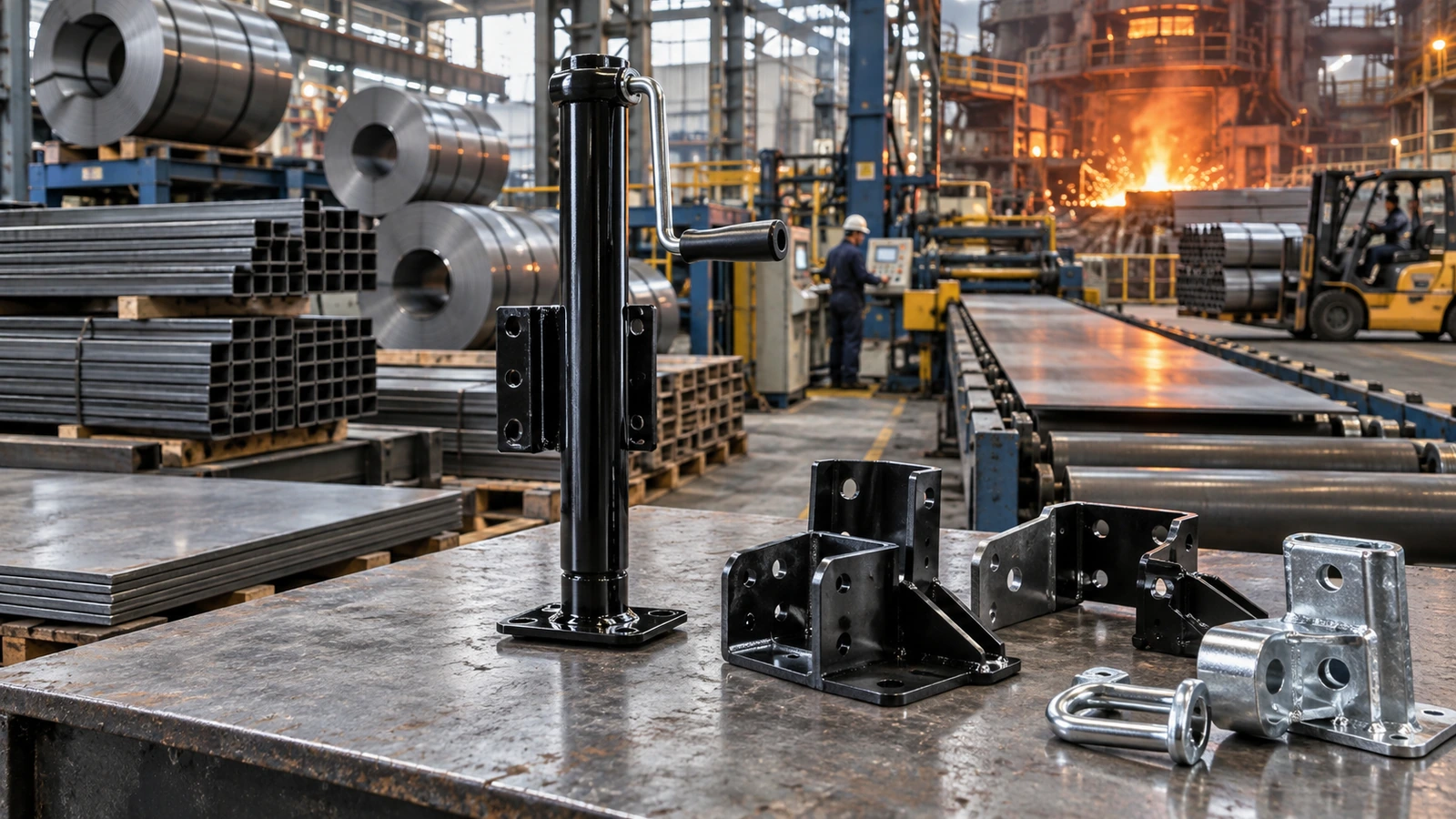
Frequent commercial use places greater demands on lifting, stabilising and manoeuvring components. Buyers should match every jack, jockey wheel or support leg to the actual trailer geometry, tongue load and working environment.

Compliance Checklist for Van-and-Trailer Operators
- List every towing vehicle and trailer combination. Record the authorised mass shown in the vehicle and trailer documents.
- Identify international and cabotage routes. Separate domestic-only work from cross-border and host-state domestic operations.
- Review the commercial basis of transport. Determine whether the carriage is for hire or reward, own-account or potentially exempt.
- Confirm tachograph readiness. Arrange G2V2 installation, calibration, driver cards, company cards and data-management procedures.
- Update route and delivery planning. Include driving limits, breaks, daily rest and weekly rest in customer commitments.
- Prepare driver-posting procedures. Check when declarations, remuneration requirements and supporting documents are needed.
- Review trailer support equipment. Confirm that jacks, jockey wheels, brackets and support legs are rated for the intended trailer and duty cycle.
Why the 2026 Rules Matter Beyond the Tachograph
The July 2026 change is an important shift for European light commercial transport. Many van-based operators will now need compliance processes that were previously associated mainly with heavier commercial vehicles.
The trailer is central to the assessment because its authorised mass contributes to the regulatory threshold. Operators should therefore manage the towing vehicle and trailer as one documented working combination.
Early preparation can reduce installation delays, scheduling disruption and roadside compliance risks. It may also encourage more disciplined trailer selection, maintenance and support-equipment purchasing across commercial fleets.
Discuss Your Commercial Trailer Support Requirements
GOODIN supplies trailer jacks, jockey wheels, support legs and customised lifting solutions for commercial, marine and equipment-trailer applications. Share your required capacity, mounting method, finish, order volume and target market with our team.
Official Sources
The Trailer Trade War Is Here: What New U.S. Antidumping and Countervailing Duties Mean for Global Trailer Supply Chains
How U.S. Tariff Changes Could Affect Trailer Jack and Towing Parts Imports in 2026
Related Article