The Trailer Trade War Is Here: What New U.S. Antidumping and Countervailing Duties Mean for Global Trailer Supply Chains
In This Article
The phrase “trailer tariffs” sounds like a border-cost story. For trailer OEMs, however, the 2026 U.S. antidumping and countervailing duty investigations are becoming a manufacturing-boundary story.
The case covers certain enclosed van-type trailers with a gross vehicle weight rating above 26,000 lb. Its written scope also names major subassemblies and, in defined circumstances, components that enter with covered merchandise on the same bill of lading. That turns a trade proceeding into a practical question about where a frame becomes a subassembly, where assembly becomes fabrication, and which entity can prove the origin and shipment history of each system.
The central issue is not simply whether an OEM imports a finished trailer. It is whether the sourcing architecture remains legible when regulators look through the final product.
This Case Is Bigger Than Finished Trailers
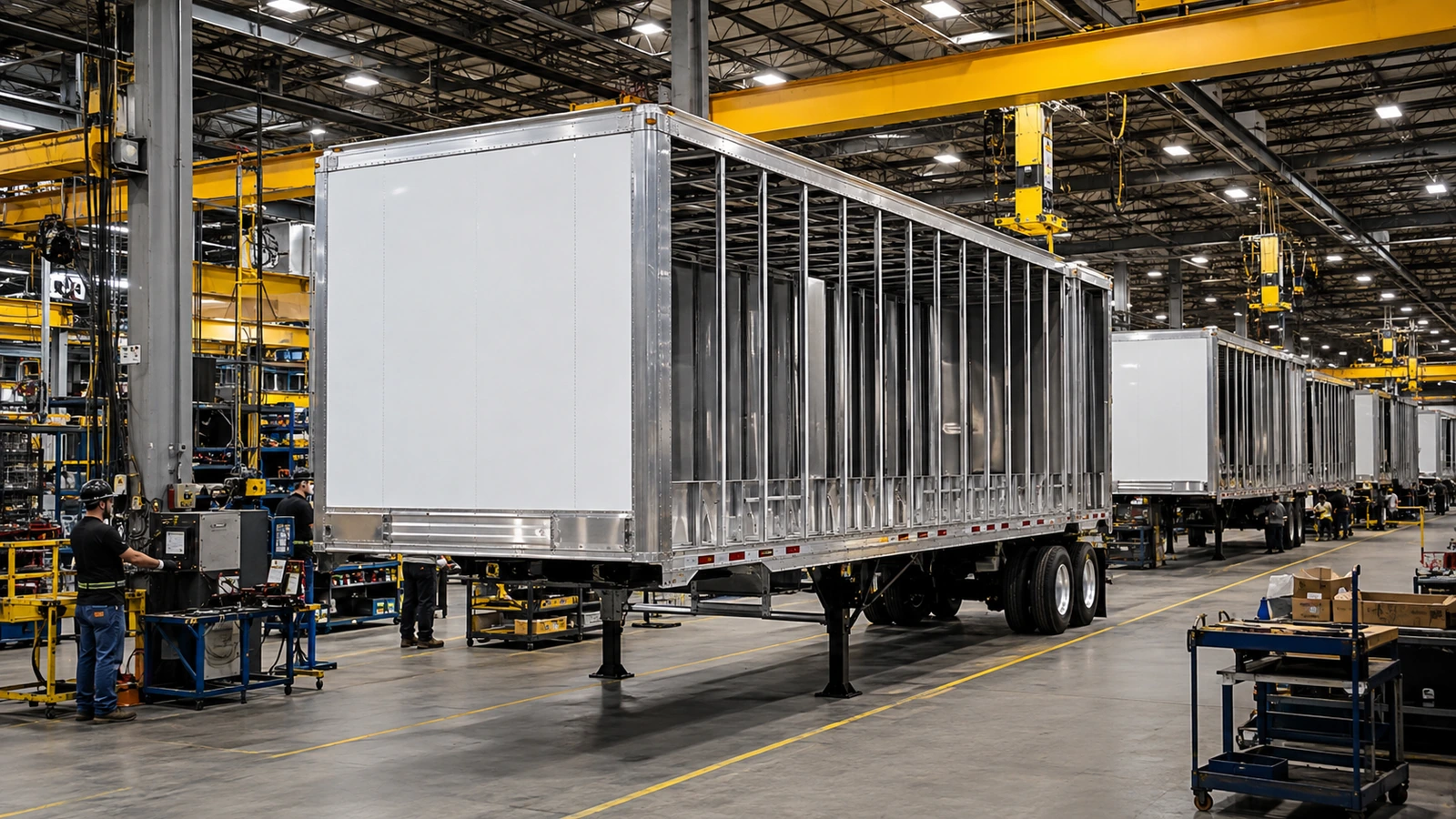
The product boundary begins with certain enclosed van-type trailers designed for transporting goods and rated above 26,000 lb GVWR. It covers finished and unfinished merchandise, whether assembled or unassembled. That distinction immediately separates the case from the broad consumer idea of “all trailers.” Utility trailers, boat trailers and every item sold as a trailer component do not automatically fall inside this investigation.
Covered trailer
A qualifying enclosed van-type goods trailer, finished or unfinished and assembled or unassembled.
Named subassemblies
Specified frame, wall and roof, door, rear-impact, coupler, running-gear and landing-gear assemblies.
Same-BOL systems
Certain brakes, axles, suspension, landing-gear legs, wiring, lighting, wheels, tires and other listed systems shipped with covered merchandise.
The commercial importance is visible in the import data Commerce cited at initiation. For 2024, it reported only 38 finished van trailers from China valued at about $175,000, but approximately $260.5 million in a broader subassembly category. Mexico accounted for 47,441 finished units valued at roughly $1.485 billion and about $176.3 million in the broader subassembly category. Commerce cautions that these classification-based subassembly figures include both subject and non-subject merchandise, so they are a scale signal rather than a precise measure of covered imports.
Scope discipline matters: the China-wide 130.86% dumping margin and the 134.75% subsidy rate announced in the China final determinations do not mean that every Chinese utility trailer, boat trailer, jack or loose component carries those rates.

Three Countries, Three Different Proceedings
“The trailer investigation” is actually a set of country- and remedy-specific proceedings. The legal stage and announced rates differ, so procurement teams should not collapse them into one headline number.
| Trading partner | Status on September 4, 2026 | What matters operationally |
|---|---|---|
| China | Commerce issued final affirmative AD and CVD determinations. It announced a 130.86% China-wide dumping margin, a 129.73% adjusted cash-deposit rate, and a 134.75% final subsidy rate. | The USITC still has to make its final injury determination before final orders are issued. The vote is scheduled for September 25. |
| Mexico | AD and CVD determinations remain preliminary; Commerce's published schedule points to final determinations in October 2026. | Company-specific preliminary rates vary substantially. Importers need supplier-level case mapping, not a country-wide assumption. |
| Canada | The Canadian CVD investigation was terminated after the petition was withdrawn. The AD proceeding continued through the preliminary phase. | Termination of one remedy does not erase the separate antidumping proceeding or the written product scope. |
Cash deposits, final assessment and the issuance of an order are different events. A sourcing decision based only on a press-release percentage can therefore be directionally wrong even when the percentage itself is accurate.
Where Manufacturing Happens Now Matters
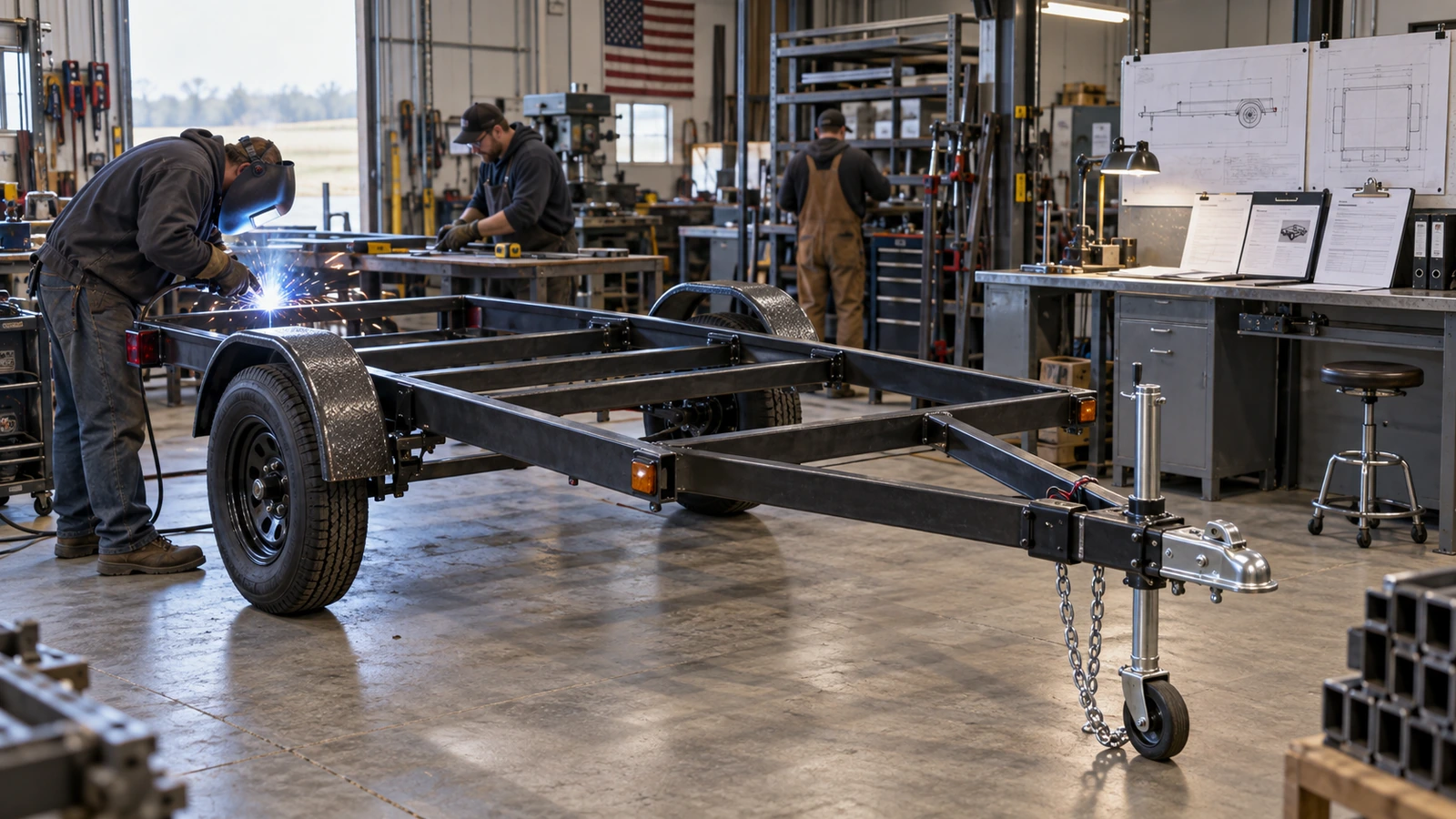
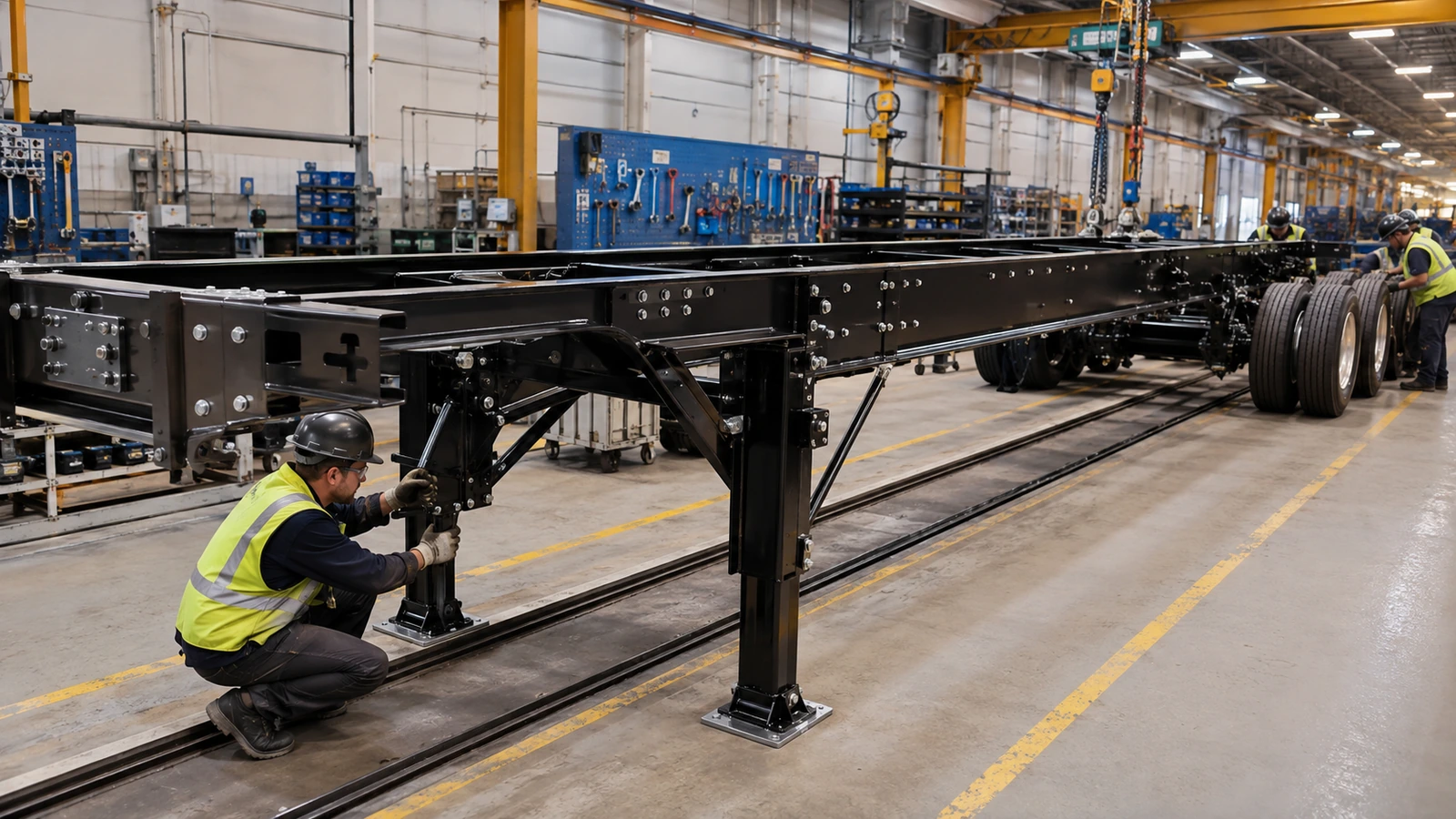
Trade remedies put a price on definitions that engineering teams normally treat as a production sequence. A trailer may pass through frame fabrication, crossmember installation, wall and roof module production, running-gear integration, wiring, coating and final assembly. Commercially, these steps form one flow. Legally, the boundary between a component, a listed subassembly and a covered unfinished trailer can change the analysis.
That is why the debate has focused on more than import volume. U.S. manufacturers argue that importing large, nearly complete structures can displace the capital-intensive fabrication work that defines domestic production. Importers and foreign producers argue that regional assembly, distribution and service also create U.S. jobs and that the market is already navigating a soft freight cycle.
Industry testimony reported by Trailer Body Builders illustrated the capital gap: a full fabrication facility was described as an investment around $150 million, compared with roughly $20–30 million for an assembly operation. The exact cost varies by plant, but the strategic point is durable. Assembly capacity and fabrication capacity are not interchangeable.
Tariffs can also compound existing material and mass trade-offs. Moving more fabrication into a higher-cost region changes the economics behind steel grade, aluminum use, payload and corrosion strategy—the same linked decisions discussed in our lightweight-trailer design analysis.
Why Moving Final Assembly May Not Be Enough
A common reaction to higher duties is to move final assembly. That can be a legitimate manufacturing strategy, but it is not an automatic scope solution.
The written scope states that trimming, cutting, grinding, notching, punching, drilling, painting, coating, finishing, assembly or other processing in the country of manufacture or in a third country does not by itself remove covered merchandise from scope. It also addresses certain Chinese-origin subassemblies and same-bill-of-lading components incorporated into trailers that are later imported through Canada.
In practical terms, importing a covered frame or structural module, adding locally sourced lights and fasteners, and completing the trailer in another country may still leave the underlying merchandise subject to the case. The decisive facts can include what crossed the first border, how complete it was, which parts traveled together, and what records support origin.
Assembly location is a manufacturing decision. Scope treatment is a legal classification based on the merchandise and facts. The two may overlap, but they are not the same test.
Components Can Be Strategic—But They Are Not a Loophole
Component procurement can still be strategically important. A regional OEM that sources defined jacks, brackets, toolboxes, clamps, wiring modules and hardware separately may gain supplier flexibility, serviceability and a clearer bill of materials. But “ship it as parts” is not a compliance strategy.
The scope expressly identifies certain components when they accompany covered trailers or subassemblies on the same bill of lading. A loose component shipped independently is not automatically covered in every transaction, yet its treatment depends on the written scope, the shipment configuration and the underlying facts. HTSUS codes are useful for customs administration, but the written description is dispositive.
Before changing routes or purchase orders, procurement teams should be able to answer:
- Is the incoming item a named subassembly?
- How complete is it at entry?
- Which systems travel on the same bill of lading?
- Where did fabrication—not only assembly—occur?
- Can origin be traced to the actual producer?
- Do invoices and BOM descriptions match the physical merchandise?
- Who is importer of record?
- Has counsel reviewed the proposed configuration?
The objective is not to re-label the same supply chain. It is to design a supply chain whose physical, commercial and documentary boundaries agree.
The Next Sourcing Architecture
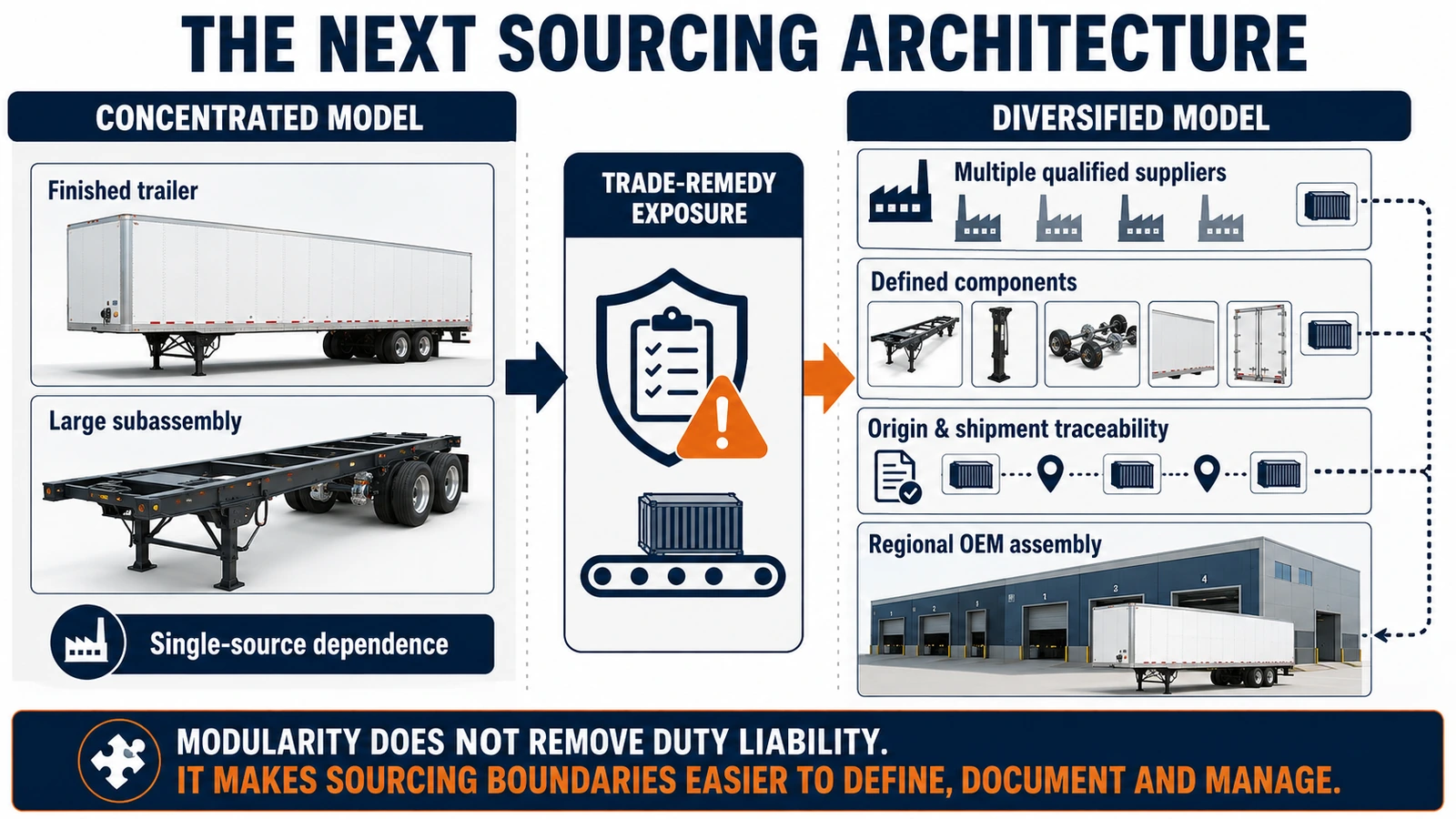
The investigation may accelerate a shift from concentrated import models toward a more explicit architecture: multiple qualified component sources, traceable origin, controlled interfaces and regional OEM integration.
This does not mean every factory should vertically integrate. It means the OEM needs to know which capabilities must stay close to final production and which can be modularized without losing quality or compliance visibility. Structural frames and major body modules carry different risk from replaceable hardware. Safety-critical systems need deeper validation than commodity brackets. Electrical and mounting interfaces should be defined before alternative suppliers are qualified.
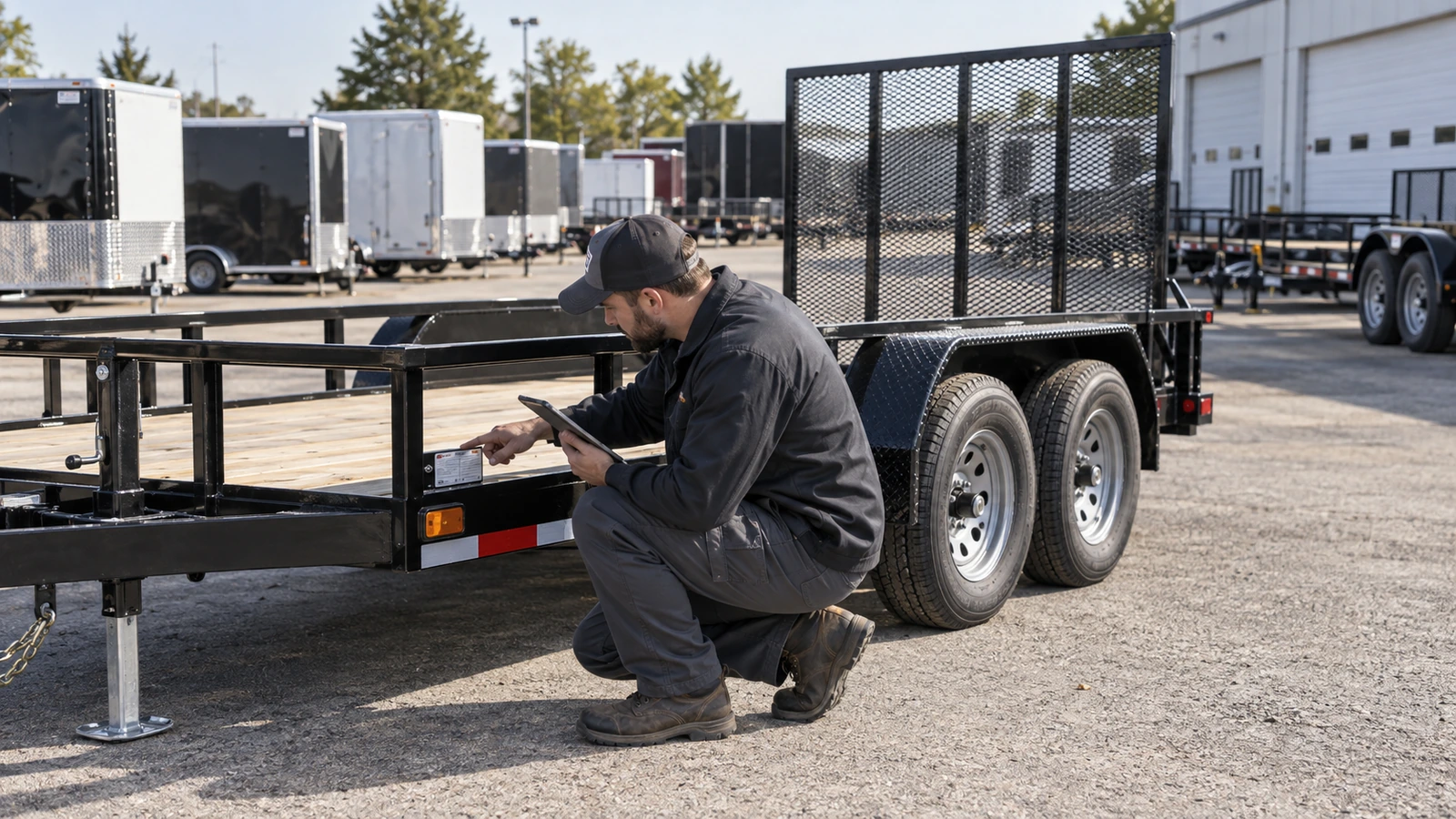
Traceability also has to move beyond the purchase-order header. The useful record connects producer, country of origin, part number, material specification, lot or shipment, bill of lading and the finished trailer BOM. That same discipline supports the inspection and failure-prevention practices in our trailer build-quality and durability analysis.
A resilient architecture therefore has four layers: a stable base design, controlled mechanical and electrical interfaces, qualified sources by component family, and regional integration with documented change control. Modularity does not remove duty liability. It makes the sourcing boundary easier to define, audit and manage.
What This Means for OEMs and Component Suppliers
The near-term market will not reward indiscriminate reshoring or supplier churn. Trailer demand remains uneven: February 2026 production improved month over month while industry reporting still described OEMs as cautious about demand. Trade costs entering a soft cycle can squeeze both utilization and margin.
OEMs should prioritize decisions that improve more than one outcome. Common component interfaces can reduce sourcing risk and simplify service. Regional assembly can shorten lead times. Dual qualification can protect continuity. Better BOM governance can support customs, warranty and quality at once.
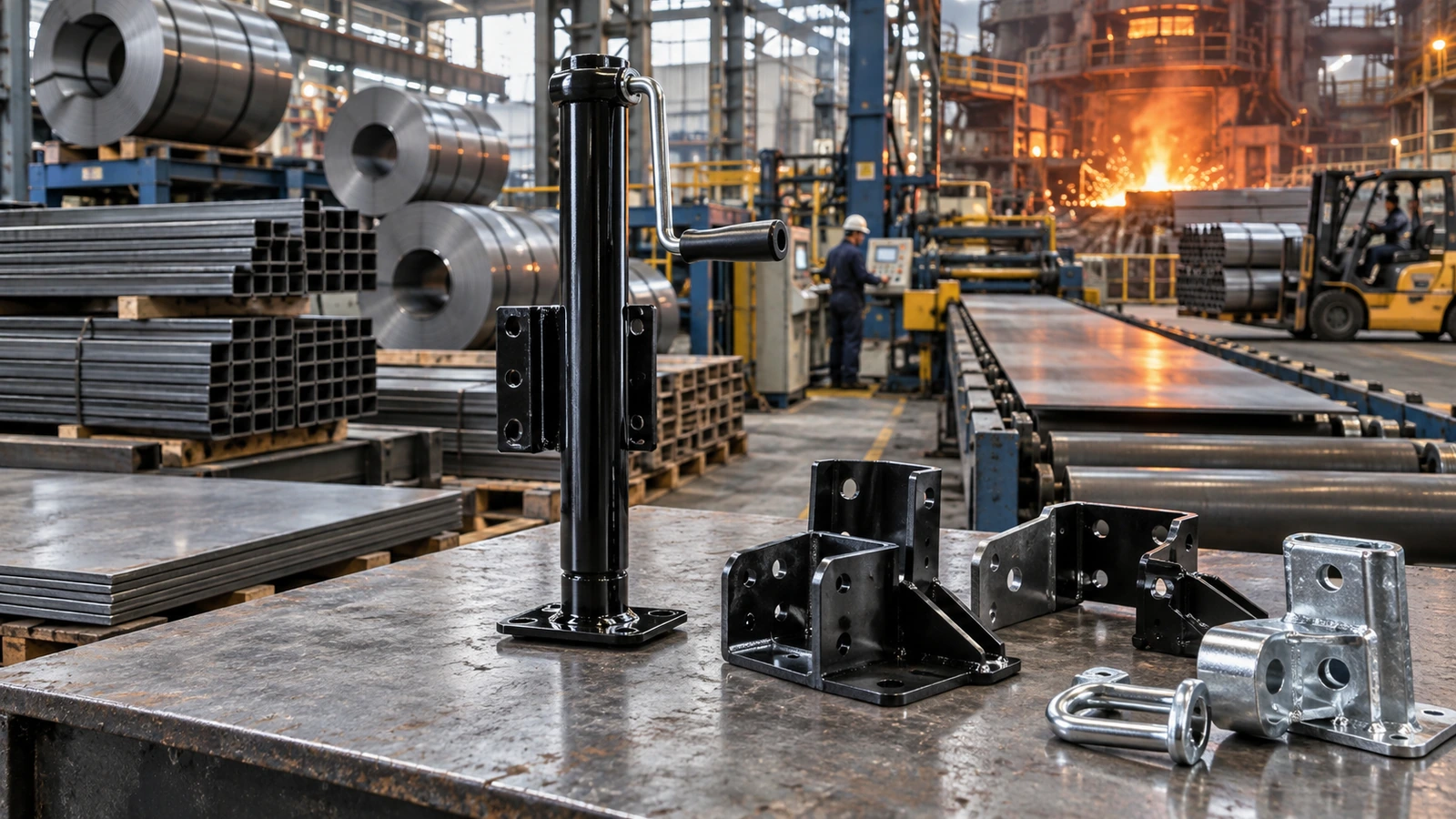
For component suppliers, the opportunity is to become easier to specify and document. The GOODIN accessories range, trailer-jack portfolio, aluminum toolbox range and clamp and mounting-hardware range portfolios are most valuable when capacity, mounting pattern, material, coating, packaging, origin and replacement logic are clear enough to fit an OEM platform—not merely a catalog line.
Watch for five signals during the next phase: the USITC final injury vote; Commerce's Mexico final determinations; any final orders and instructions; scope rulings or clarification requests; and evidence that OEMs are moving fabrication, not only final assembly.
GOODIN View: The Trade Barrier Is Moving Into the BOM
The most important lesson is not that one country has become unusable or that every component should move onshore. It is that trade exposure now reaches deeper into product architecture.
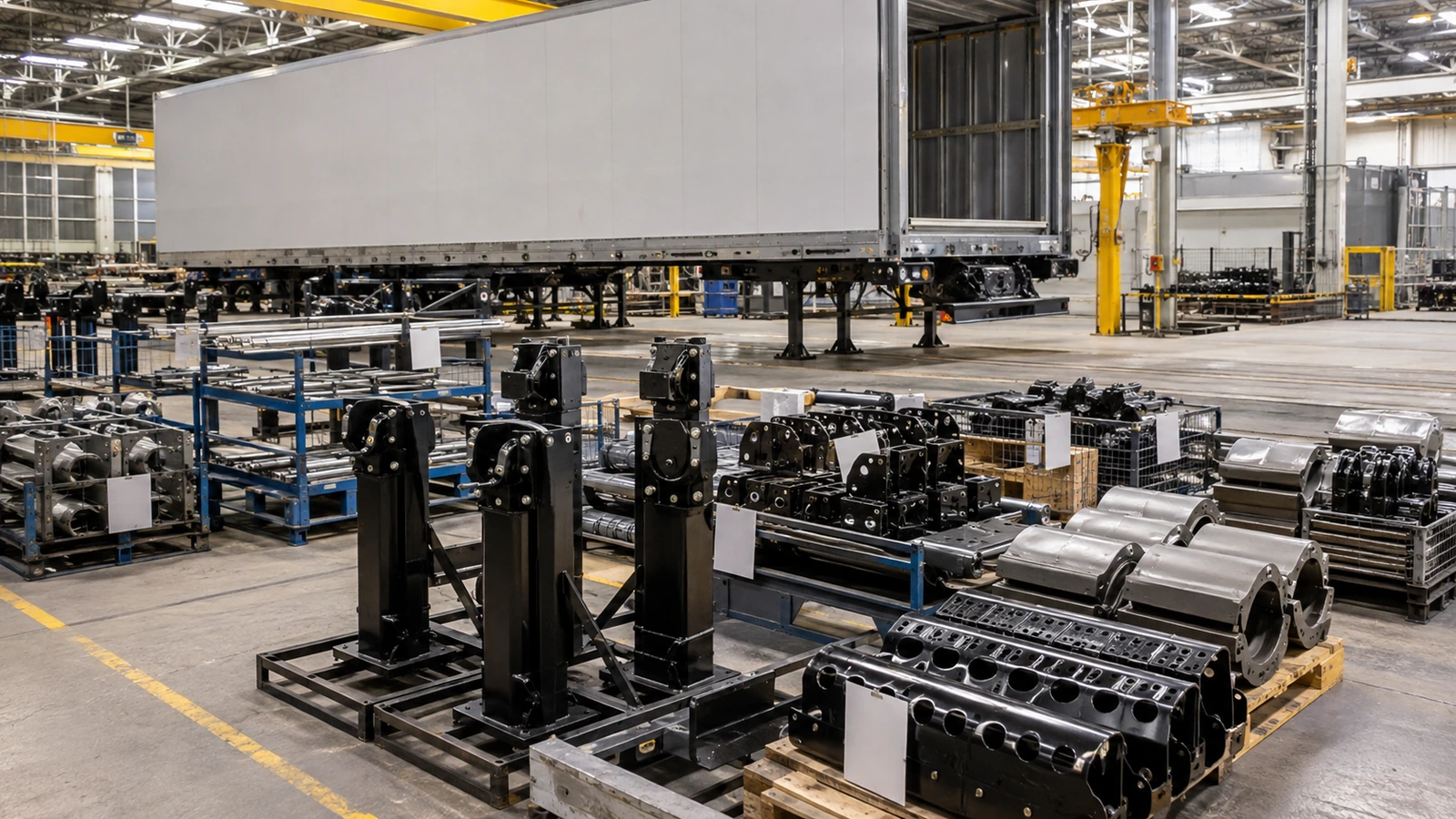
A sourcing team that sees only the finished trailer may miss the regulated subassembly. A factory that sees only final assembly may miss where origin was created. A purchasing team that sees only unit price may miss cash-deposit exposure, shipment grouping and documentation cost. The bill of materials is becoming a trade-control document as well as an engineering and procurement document.
GOODIN's practical role is to help OEM customers define component-level supply more clearly: repeatable specifications, traceable production, stable mounting interfaces, application-appropriate packaging and documentation that matches the delivered part. That will not decide legal scope, but it can make a compliant regional manufacturing model easier to operate.
Build the sourcing boundary before the shipment moves
For OEM programs involving trailer support, storage and mounting components, GOODIN can discuss specifications, packaging, traceability and regional assembly requirements.
Discuss an OEM sourcing program with GOODINImportant: This article summarizes public information as of September 4, 2026. Importers should rely on the official scope language and qualified trade counsel for transaction-specific decisions.
Focused FAQ
What trailers are covered by the 2026 U.S. van-trailer investigations?
The scope covers certain enclosed van-type trailers for transporting goods with GVWR above 26,000 lb, including covered finished and unfinished merchandise and named subassemblies. The official written scope controls.
Does the 130.86% China-wide margin apply to every Chinese trailer part?
No. It is a final antidumping margin in the China van-type-trailer proceeding. It does not automatically apply to every utility trailer, boat trailer, jack or loose trailer component.
Can U.S. or third-country final assembly remove a product from scope?
Not automatically. The scope states that assembly and several other processing steps in the country of manufacture or a third country do not by themselves remove covered merchandise.
Are individual trailer components always subject when imported separately?
No. The scope identifies certain same-bill-of-lading situations, but treatment depends on the item, completeness, shipment configuration and written scope. Transaction-specific advice is essential.
What should trailer OEM sourcing teams do now?
Map suppliers and origin at part level, identify named subassemblies, review bill-of-lading groupings, reconcile invoices with the physical BOM, qualify alternatives and have trade counsel review high-risk configurations.
Sources & Further Reading
Regulatory scope is controlled by the written determinations, not by this summary or by tariff classifications alone. This article is industry analysis, not legal advice.
- U.S. Department of Commerce — Commerce Initiates Antidumping Duty and Countervailing Duty Investigations of Van-Type Trailers and SubassembliesJanuary 21, 2026; accessed September 4, 2026.
- U.S. Department of Commerce — Final Affirmative Determinations for Van-Type Trailers and Subassemblies from ChinaAugust 26, 2026; accessed September 4, 2026.
- Federal Register — Final Affirmative Determination of Sales at Less Than Fair Value: ChinaAugust 31, 2026; accessed September 4, 2026.
- Federal Register — Final Affirmative Countervailing Duty Determination: ChinaAugust 31, 2026; accessed September 4, 2026.
- U.S. Department of Commerce — Preliminary CVD Determinations for China and MexicoJune 2, 2026; accessed September 4, 2026.
- U.S. International Trade Commission — USITC Votes to Continue the InvestigationsFebruary 6, 2026; accessed September 4, 2026.
- U.S. International Trade Commission — Final-Phase Vote Calendar: Van-Type Trailers and Subassembliesscheduled September 25, 2026; accessed September 4, 2026.
- Trailer Body Builders — Trailer Trade Waraccessed September 4, 2026; accessed September 4, 2026.
- Trailer Body Builders — Trailer Orders Slip, but Production Improvesaccessed September 4, 2026; accessed September 4, 2026.
When a Trailer Part Becomes a Tariff Problem: How 2026 Section 232 Rules Are Rewriting Landed-Cost Math
New EU Tachograph Rules for Vans and Trailers Take Effect in July 2026
Related Article